Interest Rates Aren't The Problem

Interest Rates Aren't The Problem

Investor ยท Fort Lauderdale, FL ยท Member since 2013 ยท 917 posts ยท 606 votes

Back in 1992, political strategist James Carville helped Bill Clinton win the presidency with one unforgettable phrase:
โ€œ๐ˆ๐ญโ€™๐ฌ ๐ญ๐ก๐ž ๐ž๐œ๐จ๐ง๐จ๐ฆ๐ฒ, ๐ฌ๐ญ๐ฎ๐ฉ๐ข๐.โ€
Fast forward to todayโ€™s real estate market, and Iโ€™ll offer this variation:
โ€œ๐ˆ๐ญโ€™๐ฌ ๐ญ๐ก๐ž ๐œ๐จ๐ฌ๐ญ, ๐ฌ๐ญ๐ฎ๐ฉ๐ข๐.โ€

Many new investors are sitting on the sidelines, waiting for interest rates to drop, or for the "perfect time" to get started. Reality check: ๐˜๐จ๐ฎ'๐ซ๐ž ๐š๐ฅ๐ฅ๐จ๐ฐ๐ข๐ง๐  ๐ฒ๐จ๐ฎ๐ซ ๐Ÿ๐ž๐š๐ซ ๐จ๐Ÿ ๐ฐ๐ก๐š๐ญ ๐ฆ๐ข๐ ๐ก๐ญ ๐ก๐š๐ฉ๐ฉ๐ž๐ง ๐ฆ๐š๐ค๐ž ๐ง๐จ๐ญ๐ก๐ข๐ง๐  ๐ก๐š๐ฉ๐ฉ๐ž๐ง.

Interest rates aren't the problem. Todayโ€™s rates are below the 50-year average of 7.75%.
Affordability is the problem. Prices are sky-high, and unless they drop by 30%, (needed but unlikely), this latest drop in interest rates will little matter.
If rates do fall, motivated buyers will charge the market again, and prices will shoot up again. Any savings on interest will get swallowed by higher home prices.

Everyoneโ€™s waiting on rates to drop. Will that actually make homes more affordable, or just push prices higher again?
Curious where you stand on this.


10Reply
1,058 views

Most Popular Reply

Investor ยท Greenville, SC ยท Member since 2016 ยท 5k+ posts ยท 13k+ votes
1y

Housing affordability is at a record low.  The average age of a first time home buyer is at a record high of 38 years old.  The average age of all homeowners is a record 56 years old.  Money printing and inflation has increased the economic divide.  These forces are leading to more unrest, populism, and socialism.

See this reply in the discussion

60 Replies

Jump to latestLatest
  • Investor ยท Bargersville, IN ยท Member since 2017 ยท 95 posts ยท 52 votes
    1y

    I concur with you... prices are astronomically higher. Not much is penciling out to even look attractive and no amount of percentage drop will remedy that.

    Will prices on supply drop? I cannot be sure. I do agree with you that once the rates do drop into the 5's (already happening) you will begin to see an influx of buyers enter the market after sitting idle. Will that create a scenario like we saw the last few years? Bidding wars? Premiums on a sought after property? Overpaying? Surely.... actually it is highly likely.

    And with that comes a new risk. Well, not so much new to some of us. An over extended and over leveraged consumer. Think 2007-09.

  • Real Estate Agent ยท Chicago, IL ยท Member since 2017 ยท 2k+ posts ยท 2k+ votes
    1y

    Regardless of what rates are at, adding supply is all that can lower housing prices. If there is 5000 homes for sale but 10,000 people who make 400k want to buy them the prices will stay extremely high regardless of interest rates or median income, etc. Many of those buyers will be high income homeowners looking for a place to raise a family or are savvy investors who do not focus on cashflow and invest mainly for appreciation/total returns. Will lower rates help investors, of course! I do not see home values rising signficantly from interest rates as pricing is mainly influenced by supply/demand. Roughly 1 in 3 homes purchased in US do not even use a mortgage, so of course rates have 0 affect on those buyers. 

  • Real Estate Agent ยท Jacksonville, FL ยท Member since 2015 ยท 1k+ posts ยท 1k+ votes
    1y

    There are a lot of people out there with GOLDEN HANDCUFFS, a 3% 30 year mortgage.  They could sell their house at an appreciated value.  The next house would have a higher rate, they would pay a similar amount or more for a similar house.

    Investors are a small part of the housing market.  Owner occupied homes drive the market and the home values.  If there isn't buying and selling across the board, then pricing and supply are effected.  

    Its not just the rate, but the uncertainty of the future of the rates.  There is not much clarity in when and how much rates may change.  In this scenario, waiting for clarity may be a reasonable approach.  However, this should not be THE RULE.  Wait for the right pitch and go for it.  In time the market will come to you.  

  • Lender ยท Charleston, SC ยท Member since 2019 ยท 1k+ posts ยท 1k+ votes
    1y

    This is a contrarian point of view, but I don't know that there is actually a problem right now. Yes, homes are expensive right now relative to how affordable they were for the past 20 years, but that's becuase the last 20 years were an abnormality. Homeownership is hovering right around 65% right now, which is historically fairly normal. We're just used to an environment where it significantly above 65%. 

    It seems to me that the market has largely corrected itself. Interest rates are back to historical averages. Homeownership is back to historical averages. I do not expect interest rates to drop meaningfully anytime soon, as the specter of hyperinflation is still right behind us. I also do not expect home values to drop meaningfully, as pent up buyer demand will likely put a floor under prices. My guess is that where we are right now is the new normal. 

    • V.G JasonPro Member
      Investor ยท Member since 2022 ยท 3k+ posts ยท 3k+ votes
      1y
      Quote from @Patrick Roberts:

      This is a contrarian point of view, but I don't know that there is actually a problem right now. Yes, homes are expensive right now relative to how affordable they were for the past 20 years, but that's becuase the last 20 years were an abnormality. Homeownership is hovering right around 65% right now, which is historically fairly normal. We're just used to an environment where it significantly above 65%. 

      It seems to me that the market has largely corrected itself. Interest rates are back to historical averages. Homeownership is back to historical averages. I do not expect interest rates to drop meaningfully anytime soon, as the specter of hyperinflation is still right behind us. I also do not expect home values to drop meaningfully, as pent up buyer demand will likely put a floor under prices. My guess is that where we are right now is the new normal. 

      No, it's not just the last 20 years. It's the least affordable since the great depression. Again, stop looking at things in dollars. If you do, you'll think everything is fine when you look at the stock market, other asset classes, etc. The abnormally was the intrinsic properties of RE; that'll likely never happen again. You won't buy real estate ITM at 80% LTV.

      Otherwise, I agree with you on the views. For different reasons, actually. Nothing said real estate ever has to be affordable, there's no law stating that fact.

      A lowering 10 year is one element of helping buyers, and supply is indirectly correlated to that so that's another major reason. Real estate will face a K-like recovery post rate ramping; the wealthy will concentrate to it and we will likely face a renter's nation.


  • Theresa HarrisPro Member
    Member since 2019 ยท 15k+ posts ยท 11k+ votes
    1y

    I agree with the others.  Costs are higher, and interest rates are more 'normal'.  With higher housing costs, rents are also higher than they have been.  Adding more supply may decrease prices a bit, but it depends on what is being built.  Where I am, it is mostly apartment blocks (often rentals) or large single family homes-not your basic starter home.

    In the US people having their interest rates locked in for 20-30 years means that fewer people will want to move as their new mortgage will be at a higher rate.

  • Investor ยท Get yourself trained before doing something inadvisable. ยท Member since 2024 ยท 3k+ posts ยท 1k+ votes
    1y
    Quote from @Michael Carbonare:

    Back in 1992, political strategist James Carville helped Bill Clinton win the presidency with one unforgettable phrase:
    โ€œ๐ˆ๐ญโ€™๐ฌ ๐ญ๐ก๐ž ๐ž๐œ๐จ๐ง๐จ๐ฆ๐ฒ, ๐ฌ๐ญ๐ฎ๐ฉ๐ข๐.โ€
    Fast forward to todayโ€™s real estate market, and Iโ€™ll offer this variation:
    โ€œ๐ˆ๐ญโ€™๐ฌ ๐ญ๐ก๐ž ๐œ๐จ๐ฌ๐ญ, ๐ฌ๐ญ๐ฎ๐ฉ๐ข๐.โ€

    Many new investors are sitting on the sidelines, waiting for interest rates to drop, or for the "perfect time" to get started. Reality check: ๐˜๐จ๐ฎ'๐ซ๐ž ๐š๐ฅ๐ฅ๐จ๐ฐ๐ข๐ง๐  ๐ฒ๐จ๐ฎ๐ซ ๐Ÿ๐ž๐š๐ซ ๐จ๐Ÿ ๐ฐ๐ก๐š๐ญ ๐ฆ๐ข๐ ๐ก๐ญ ๐ก๐š๐ฉ๐ฉ๐ž๐ง ๐ฆ๐š๐ค๐ž ๐ง๐จ๐ญ๐ก๐ข๐ง๐  ๐ก๐š๐ฉ๐ฉ๐ž๐ง.

    Interest rates aren't the problem. Todayโ€™s rates are below the 50-year average of 7.75%.
    Affordability is the problem. Prices are sky-high, and unless they drop by 30%, (needed but unlikely), this latest drop in interest rates will little matter.
    If rates do fall, motivated buyers will charge the market again, and prices will shoot up again. Any savings on interest will get swallowed by higher home prices.

    Everyoneโ€™s waiting on rates to drop. Will that actually make homes more affordable, or just push prices higher again?
    Curious where you stand on this.


    .
    You've been around the block once or twice, obviously.

    For the lurkers:

    Buying a house for most people is a matter of a number their income is divided by. As you already know, most people rely on getting a loan to buy a house.

    The lenders have to underwrite to FHA, Fanny Mae and Freddy Mac guidelines if they wish to sell their loans on the secondary market. By selling their loans, it frees up money for them to do more loans. They make money on the front end with commissions, by doing new loans, not on the back end by servicing loans. I used to be one of those characters. I understand the process and the incentives.

    Since the guidelines include a maximum percent of monthly income allowed to go toward housing, say someone making $5,000 a month with good credit and along other good credit items, can spend 35% of their monthly income on housing. Or, on a monthly principal, interest, taxes, and insurance of $1,750. When you remove taxes and insurance, which runs a couple hundred dollars plus PMI because they put less than 20% down, the principal & Interest payment is somewhere in the $1,400 a month arena. At 7% interest that means they can buy a $225,000 house. Even at 2% they can only buy a $400,000 house but then they need 3.5% or $14,000 down. It's presumably more house, but if you reduce the interest rate, EVERYBODY'S rate goes down and therefor everybody wants the same benefit and it drives up housing prices by competition.

    They need a minimum of 3.5% down and then that increases their monthly payment because Private Mortgage Insurance gets added in.  3.5% of a $500,000 list on a house means they have to come in with $17,500 plus thousands of dollars in closing costs to to buy the house. That gives them a payment of about $3,226 plus taxes and Insurance. Can't be done on a $5,000 month income

    Since a large part of Americana "cana not" even afford a $1,000 emergency, a whole swath of Americana's aren't going to have the $20,000 cash or more need to qualify for the loan.

    It's a "I want it now" problem. Lowering interest rates helps everyone who doesn't rely on pensions, 401(k), savings and so on, but it hurts those relying on interest payments. That's actually a big problem when you want to get elected.

    The solution is to build more houses, reduces taxes, reduce regulations (not completely, but yes, some regulations are ridiculous and hurt housing.)

    The current countrywide housing strategy will not survive as it is, it will collapse, AGAIN, and that will be a "buy" signal.

    In the meanwhile, I am buying "off market" so the seller & I have no realtor fees, I buy at 85% of value (yes, saving 15%, on a $400,000 property, that's about $60,000 below cost) and taking over the financing of the existing mortgage, saving loan fees and getting 2.5% loans, that's a monthly savings of about $1,000. So, my properties cashflow. 

    This isn't brain surgery, but it does require training to do legally. It is not being taught in a safe, legal way on Youtube. Expect more legal fallout coming from there.  But, some people are doing things correctly & legally, all over the country. They're waiting for the correction, but we're still buying.

  • Investor ยท Fort Lauderdale, FL ยท Member since 2013 ยท 917 posts ยท 606 votes
    1y

    @Ken M.  The Clinton-Carville reference was a dead giveaway, I gather.  LOL

    • Investor ยท Get yourself trained before doing something inadvisable. ยท Member since 2024 ยท 3k+ posts ยท 1k+ votes
      1y
      Quote from @Michael Carbonare:

      @Ken M.  The Clinton-Carville reference was a dead giveaway, I gather.  LOL

      .
      :-)
  • Rental Property Investor ยท Malvern, PA ยท Member since 2016 ยท 1k+ posts ยท 934 votes
    1y

    It seems the headline "Housing is over-priced" is primarily by the media and housing advocates to attract attention. It's always been difficult for young people to afford their first home and usually the second and third. As mentioned above, rates and home ownership are around their historical norms. We were just spoiled by the post-2008 low rates, especially post-COVID.

    I think prices are exactly where they should be! Why? Buyers and sellers set the price. Seller asks. Buyers bid. They eventually agree without coercion. No sale if it is too high, so seller will have to come down or buyer goes up. The market has always been this way and young families have always struggled to buy their first home or two.

    How about this: A homeowner says prices are 30% too high, for example. Ask if they will sell their property for 30% less than current value since they feel it would be over-priced. I bet none will take that deal. Why? Because buyers will pay a price somewhere around the market price and sellers like that.

    Increased supply in areas buyers want to be in is the only market-driven answer for this problem. Lower interest rates and more government assistance will drive prices higher. The only semi-promising idea I've seen in this area is zoning changes to allow for some form of ADUs on current properties that do not allow them (or smaller lots, etc): end state is more properties. That will get a lot of resistance and cause other problems, but it could significantly increase supply. I think we will regret it in 50 years if it comes to pass.

    • Investor ยท Get yourself trained before doing something inadvisable. ยท Member since 2024 ยท 3k+ posts ยท 1k+ votes
      1y
      Quote from @James Mc Ree:

      It seems the headline "Housing is over-priced" is primarily by the media and housing advocates to attract attention. It's always been difficult for young people to afford their first home and usually the second and third. As mentioned above, rates and home ownership are around their historical norms. We were just spoiled by the post-2008 low rates, especially post-COVID.

      I think prices are exactly where they should be! Why? Buyers and sellers set the price. Seller asks. Buyers bid. They eventually agree without coercion. No sale if it is too high, so seller will have to come down or buyer goes up. The market has always been this way and young families have always struggled to buy their first home or two.

      How about this: A homeowner says prices are 30% too high, for example. Ask if they will sell their property for 30% less than current value since they feel it would be over-priced. I bet none will take that deal. Why? Because buyers will pay a price somewhere around the market price and sellers like that.

      Increased supply in areas buyers want to be in is the only market-driven answer for this problem. Lower interest rates and more government assistance will drive prices higher. The only semi-promising idea I've seen in this area is zoning changes to allow for some form of ADUs on current properties that do not allow them (or smaller lots, etc): end state is more properties. That will get a lot of resistance and cause other problems, but it could significantly increase supply. I think we will regret it in 50 years if it comes to pass.

      .
      Actually, stats show that the average family can no longer afford the average house.

      There is plenty of land. We don't need ADUs, we need less taxes and less regulation. However, if you want to live in a Condo, Townhouse, ADU you are welcome to.

    • Rental Property Investor ยท Malvern, PA ยท Member since 2016 ยท 1k+ posts ยท 934 votes
      1y

      @Ken M.

      I don't think there is an easy one or two-point answer for lowering property prices. My point though was I don't think there is really as much demand as the media promotes for lower prices. I've never heard someone say, "I wish my million dollar home would sell for $700k." For every buyer who benefits there is always a seller who pays the price. That is a powerful political balance that prevents action.

      Averages are often misleading. Average incomes include folks in poverty who will never buy a property and billionaires on the other side for whom the property cost is irrelevant. Properties are selling, but at a lower rate than before. Yes, they are more expensive for all of the reasons cited above and I'm surprised we investors sucking up properties for rentals hasn't been cited yet too.

      I think the normal, pre-COVID supply is most constrained by owners with fantastic mortgage rates who don't want to give them up, remote work that allows folks to avoid the "moving for a job" reason for selling and more investors buying properties and holding them as rentals. That latter certainly has value, but not to someone who wants to buy a home.

      I see you are in AZ and TX. There's lots of land there and lots of growth. I am in the Philadelphia area where most available land is infill properties and conserved farms.  Development is still happening, but nowhere near the rate out west. Land is available in PA, but often not in sufficient quantity close to the jobs and the new builds are quite expensive.

      I'm sure no one will argue in favor of higher taxes when just considering the number. It's a much more interesting discussion when the actual budgets are broken out and people are asked what they want to give up. Schools? Police? Parks/open space? Road maintenance? After going through a few of those categories and hearing, "No, we can't possibly cut that....we need more of that!" we realize many residents are not willing to go through the pain of lower taxes to get the reward. Open space and preservation tends to be a more vulnerable target.

      Regulation is one of those amorphous bogeymen (or women!). What regulations should go away that have meaningful savings? Stormwater is one of the big ones I often hear about as it can add $50k to the cost of a new build property sale. The builder/seller of that property might not feel it is worth it, but the folks down hill who are regularly flooded probably have a different opinion. Other regulations, such as adopting the current building code, provides safety and reliability to people for decades. Should that be eliminated?

    • Investor ยท Get yourself trained before doing something inadvisable. ยท Member since 2024 ยท 3k+ posts ยท 1k+ votes
      1y
      Quote from @James Mc Ree:

      @Ken M.

      I don't think there is an easy one or two-point answer for lowering property prices. My point though was I don't think there is really as much demand as the media promotes for lower prices. I've never heard someone say, "I wish my million dollar home would sell for $700k." For every buyer who benefits there is always a seller who pays the price. That is a powerful political balance that prevents action.

      Averages are often misleading. Average incomes include folks in poverty who will never buy a property and billionaires on the other side for whom the property cost is irrelevant. Properties are selling, but at a lower rate than before. Yes, they are more expensive for all of the reasons cited above and I'm surprised we investors sucking up properties for rentals hasn't been cited yet too.

      I think the normal, pre-COVID supply is most constrained by owners with fantastic mortgage rates who don't want to give them up, remote work that allows folks to avoid the "moving for a job" reason for selling and more investors buying properties and holding them as rentals. That latter certainly has value, but not to someone who wants to buy a home.

      I see you are in AZ and TX. There's lots of land there and lots of growth. I am in the Philadelphia area where most available land is infill properties and conserved farms.  Development is still happening, but nowhere near the rate out west. Land is available in PA, but often not in sufficient quantity close to the jobs and the new builds are quite expensive.

      I'm sure no one will argue in favor of higher taxes when just considering the number. It's a much more interesting discussion when the actual budgets are broken out and people are asked what they want to give up. Schools? Police? Parks/open space? Road maintenance? After going through a few of those categories and hearing, "No, we can't possibly cut that....we need more of that!" we realize many residents are not willing to go through the pain of lower taxes to get the reward. Open space and preservation tends to be a more vulnerable target.

      Regulation is one of those amorphous bogeymen (or women!). What regulations should go away that have meaningful savings? Stormwater is one of the big ones I often hear about as it can add $50k to the cost of a new build property sale. The builder/seller of that property might not feel it is worth it, but the folks down hill who are regularly flooded probably have a different opinion. Other regulations, such as adopting the current building code, provides safety and reliability to people for decades. Should that be eliminated?

      Your comment: "I am in the Philadelphia area where most available land is infill properties and conserved farms"

      There is no law that folks from the east coast can't move west. It's a preference issue, not a land issue. ;-)

      As the Beatles used to sing "You can't Always Get What You Want". So, when you can't, you move to where you can. 

    • Drew SygitBusiness Member
      Property Manager ยท Royal Oak, MI ยท Member since 2012 ยท 12k+ posts ยท 9k+ votes
      1y
      Quote from @Ken M.:
      Quote from @James Mc Ree:

      @Ken M.

      I don't think there is an easy one or two-point answer for lowering property prices. My point though was I don't think there is really as much demand as the media promotes for lower prices. I've never heard someone say, "I wish my million dollar home would sell for $700k." For every buyer who benefits there is always a seller who pays the price. That is a powerful political balance that prevents action.

      Averages are often misleading. Average incomes include folks in poverty who will never buy a property and billionaires on the other side for whom the property cost is irrelevant. Properties are selling, but at a lower rate than before. Yes, they are more expensive for all of the reasons cited above and I'm surprised we investors sucking up properties for rentals hasn't been cited yet too.

      I think the normal, pre-COVID supply is most constrained by owners with fantastic mortgage rates who don't want to give them up, remote work that allows folks to avoid the "moving for a job" reason for selling and more investors buying properties and holding them as rentals. That latter certainly has value, but not to someone who wants to buy a home.

      I see you are in AZ and TX. There's lots of land there and lots of growth. I am in the Philadelphia area where most available land is infill properties and conserved farms.  Development is still happening, but nowhere near the rate out west. Land is available in PA, but often not in sufficient quantity close to the jobs and the new builds are quite expensive.

      I'm sure no one will argue in favor of higher taxes when just considering the number. It's a much more interesting discussion when the actual budgets are broken out and people are asked what they want to give up. Schools? Police? Parks/open space? Road maintenance? After going through a few of those categories and hearing, "No, we can't possibly cut that....we need more of that!" we realize many residents are not willing to go through the pain of lower taxes to get the reward. Open space and preservation tends to be a more vulnerable target.

      Regulation is one of those amorphous bogeymen (or women!). What regulations should go away that have meaningful savings? Stormwater is one of the big ones I often hear about as it can add $50k to the cost of a new build property sale. The builder/seller of that property might not feel it is worth it, but the folks down hill who are regularly flooded probably have a different opinion. Other regulations, such as adopting the current building code, provides safety and reliability to people for decades. Should that be eliminated?

      Your comment: "I am in the Philadelphia area where most available land is infill properties and conserved farms"

      There is no law that folks from the east coast can't move west. It's a preference issue, not a land issue. ;-)

      As the Beatles used to sing "You can't Always Get What You Want". So, when you can't, you move to where you can. 


       That was the Rolling Stones!

    • Investor ยท Get yourself trained before doing something inadvisable. ยท Member since 2024 ยท 3k+ posts ยท 1k+ votes
      1y
      Quote from @Drew Sygit:
      Quote from @Ken M.:
      Quote from @James Mc Ree:

      @Ken M.

      I don't think there is an easy one or two-point answer for lowering property prices. My point though was I don't think there is really as much demand as the media promotes for lower prices. I've never heard someone say, "I wish my million dollar home would sell for $700k." For every buyer who benefits there is always a seller who pays the price. That is a powerful political balance that prevents action.

      Averages are often misleading. Average incomes include folks in poverty who will never buy a property and billionaires on the other side for whom the property cost is irrelevant. Properties are selling, but at a lower rate than before. Yes, they are more expensive for all of the reasons cited above and I'm surprised we investors sucking up properties for rentals hasn't been cited yet too.

      I think the normal, pre-COVID supply is most constrained by owners with fantastic mortgage rates who don't want to give them up, remote work that allows folks to avoid the "moving for a job" reason for selling and more investors buying properties and holding them as rentals. That latter certainly has value, but not to someone who wants to buy a home.

      I see you are in AZ and TX. There's lots of land there and lots of growth. I am in the Philadelphia area where most available land is infill properties and conserved farms.  Development is still happening, but nowhere near the rate out west. Land is available in PA, but often not in sufficient quantity close to the jobs and the new builds are quite expensive.

      I'm sure no one will argue in favor of higher taxes when just considering the number. It's a much more interesting discussion when the actual budgets are broken out and people are asked what they want to give up. Schools? Police? Parks/open space? Road maintenance? After going through a few of those categories and hearing, "No, we can't possibly cut that....we need more of that!" we realize many residents are not willing to go through the pain of lower taxes to get the reward. Open space and preservation tends to be a more vulnerable target.

      Regulation is one of those amorphous bogeymen (or women!). What regulations should go away that have meaningful savings? Stormwater is one of the big ones I often hear about as it can add $50k to the cost of a new build property sale. The builder/seller of that property might not feel it is worth it, but the folks down hill who are regularly flooded probably have a different opinion. Other regulations, such as adopting the current building code, provides safety and reliability to people for decades. Should that be eliminated?

      Your comment: "I am in the Philadelphia area where most available land is infill properties and conserved farms"

      There is no law that folks from the east coast can't move west. It's a preference issue, not a land issue. ;-)

      As the Beatles used to sing "You can't Always Get What You Want". So, when you can't, you move to where you can. 


       That was the Rolling Stones!

      .
      You know, you're right!
      What was in that joint I had? I was spacing out on that one. :-)

      But, it was the Stones as you correctly say.
      Although he might have had something other than  real estate at mind.

      But if you try sometime you find
      You get what you need


    • Jay HinrichsBusiness Member
      Real Estate Consultant ยท Summerlin, NV ยท Member since 2014 ยท 45k+ posts ยท 66k+ votes
      1y
      Quote from @James Mc Ree:

      It seems the headline "Housing is over-priced" is primarily by the media and housing advocates to attract attention. It's always been difficult for young people to afford their first home and usually the second and third. As mentioned above, rates and home ownership are around their historical norms. We were just spoiled by the post-2008 low rates, especially post-COVID.

      I think prices are exactly where they should be! Why? Buyers and sellers set the price. Seller asks. Buyers bid. They eventually agree without coercion. No sale if it is too high, so seller will have to come down or buyer goes up. The market has always been this way and young families have always struggled to buy their first home or two.

      How about this: A homeowner says prices are 30% too high, for example. Ask if they will sell their property for 30% less than current value since they feel it would be over-priced. I bet none will take that deal. Why? Because buyers will pay a price somewhere around the market price and sellers like that.

      Increased supply in areas buyers want to be in is the only market-driven answer for this problem. Lower interest rates and more government assistance will drive prices higher. The only semi-promising idea I've seen in this area is zoning changes to allow for some form of ADUs on current properties that do not allow them (or smaller lots, etc): end state is more properties. That will get a lot of resistance and cause other problems, but it could significantly increase supply. I think we will regret it in 50 years if it comes to pass.

       Portland OR  already has this zoning.. tiny lots 1500 sq ft ADUs every where and values are still at 500k and up basically for new builds.. As a builder developer it starts with the dirt. And when those that own dirt see their neighbors selling their dirt for 80 to 150k or more per buildable lot ( not even developed yet) those that own the land just sit on it.. Tax's are low and that is were scarcity starts in many markets.. U can scale that by going vertical. And this is why building is so brisk in Markets like Texas ton's of land that is still very inexpensive compared to other mature markets were there is land scarcity.. Take the SF Bay Area is basically all built out there is NO land.. you have the Bay on one side and big areas of mountains that you cannot develop housing on. This creates sprawl and 1 hour plus commutes. So take a Lot in Palo Alto CA  2 mil 3 mil for a bare 6k sq ft lot.. how do you get affordable housing on that..  

      Or even as I mentioned Portland Or.. cheapest West coast major city.. I paid 500k for a 8k sq ft lot in the town I used to live in Lake Oswego.. then I have to improve it and get building permits that was another 125k before I could go vertical.. so now your in the lot 625k and using the 3X or 4X rule you need to build a 1.8 to 2.5 house to make sense.. So any new builds in that city start at 2 mil. 

      Now there is no housing shortage in a lot of the US.. I work in many mid west markets.. And you can buy a pretty nice place in most markets for 250k to 300k.. What you have is an issue of where folks want to live.. And where the jobs are.. take PA for example you can go out north of Pittsburg and buy all manner of house for under 200k.. Any day of the week. 

      Its a location issue and owners of the land that can be developed holding on for highest price.. Unless govmit is going to open up federal lands and give it away or buy land from private owners and give it away.. going to be pretty tough to provide new housing stock for what you can buy an existing home in 30 to 40 states in the US.. Big issue is will people move to those locations.

  • Investor ยท Greenville, SC ยท Member since 2016 ยท 5k+ posts ยท 13k+ votes
    1y

    Housing affordability is at a record low.  The average age of a first time home buyer is at a record high of 38 years old.  The average age of all homeowners is a record 56 years old.  Money printing and inflation has increased the economic divide.  These forces are leading to more unrest, populism, and socialism.

  • Member since 2018 ยท 1k+ posts ยท 1k+ votes
    1y

    Extended low interest rates raised asset prices. Prices are slow to come down, so rather than lower prices, they donโ€™t sell. You arenโ€™t taking into account psychology.

  • Rental Property Investor ยท Member since 2018 ยท 826 posts ยท 809 votes
    1y

    I'll disagree with most comments so far (except Dymiski). I think the issue is money supply, coupled with low-locked mortgage rates. All the money issued over past decade has aggregated in the top 1%, and this wealth gap is creating an affordability gap. 

    high net worth individuals have a lot of liquidity and nowhere to place it. All asset classes are getting bid up as folks with material wealth chase yields, and there are still tons of people sitting on sidelines with cash. Even if market comes down, someone else with cash under the mattress will come out to place a floor on the downward movement. 

    you cannot simply create more housing supply because commodity prices are stuck at elevated levels, and new builds will remain higher cost than existing inventory. 

    I haven't found a clear path of getting out of this standoff, short of some large population reduction event, billionaires giving up their fortunes or developing nations offering cheaper labor. Technology advances are making matters worse as the wealth divide will continue to grow. I'm not looking to sound alarmist, but I'm finding it hard to see a solution. 

    • Investor ยท Milwaukee - Mequon, WI ยท Member since 2010 ยท 5k+ posts ยท 7k+ votes
      1y
      Quote from @Allan C.:

      I'll disagree with most comments so far (except Dymiski). I think the issue is money supply, coupled with low-locked mortgage rates. All the money issued over past decade has aggregated in the top 1%, and this wealth gap is creating an affordability gap. 

      high net worth individuals have a lot of liquidity and nowhere to place it. All asset classes are getting bid up as folks with material wealth chase yields, and there are still tons of people sitting on sidelines with cash. Even if market comes down, someone else with cash under the mattress will come out to place a floor on the downward movement. 

      you cannot simply create more housing supply because commodity prices are stuck at elevated levels, and new builds will remain higher cost than existing inventory. 

      I haven't found a clear path of getting out of this standoff, short of some large population reduction event, billionaires giving up their fortunes or developing nations offering cheaper labor. Technology advances are making matters worse as the wealth divide will continue to grow. I'm not looking to sound alarmist, but I'm finding it hard to see a solution. 


       I have to agree. The capitalist game is rigged in favor of capital. You can never earn as much money as you can make as an investor. We all know this to be true from our own experience. Warren Buffet made his first Billion when he was 56. 99% of his fortune was made after we was 50. 90% after he was 60. I see the same pattern with my own finances as an investor.

      I just asked ChatGPT to run an economic simulation based on ourcurrent economic model and went down a rabbit hole: a capitalist system becomes unstable when the Gini coefficient reaches 0.6 (a measure for wealth inequality) - that's when you see social unrest, because most of the capital has been so concentrated with a few, that there is simply nothing left for the population to own. The few wealthy has so much money, that they start buying basically everything. Historically, every society that has come close or reached 0.6 has collapsed with social unrest. Some heads get chopped, currency replaced, basically a big economic reset.

      The model shows that the US will collapse after 97 years - in this simple simulation. You can basically set the start at WW2. So we still have a few years to go. That lines up as our current Gini is estimated to be just under 0.5, so that is already pretty bad and will just progressivley get worse.

      The real estate market has already "crashed", in the last 3 years we have seen almost 30% fewer transactions. Just imagine any other industry loosing 30% of its revenue. Or imagine the GDP going down 30%. (BTW the NAR estimates that real estate makes up to 18% of our GDP when you include ripple effects like lenders, contractors, home goods etc). People don't see it, because they expect a crash to affect prices.

      The US has a chronic housing shortage of 3-5 million homes. Even if we started today to overproduce it will take a decade at least.

    • Investor ยท Get yourself trained before doing something inadvisable. ยท Member since 2024 ยท 3k+ posts ยท 1k+ votes
      1y
      Quote from @Marcus Auerbach:
      Quote from @Allan C.:

      I'll disagree with most comments so far (except Dymiski). I think the issue is money supply, coupled with low-locked mortgage rates. All the money issued over past decade has aggregated in the top 1%, and this wealth gap is creating an affordability gap. 

      high net worth individuals have a lot of liquidity and nowhere to place it. All asset classes are getting bid up as folks with material wealth chase yields, and there are still tons of people sitting on sidelines with cash. Even if market comes down, someone else with cash under the mattress will come out to place a floor on the downward movement. 

      you cannot simply create more housing supply because commodity prices are stuck at elevated levels, and new builds will remain higher cost than existing inventory. 

      I haven't found a clear path of getting out of this standoff, short of some large population reduction event, billionaires giving up their fortunes or developing nations offering cheaper labor. Technology advances are making matters worse as the wealth divide will continue to grow. I'm not looking to sound alarmist, but I'm finding it hard to see a solution. 


       I have to agree. The capitalist game is rigged in favor of capital. You can never earn as much money as you can make as an investor. We all know this to be true from our own experience. Warren Buffet made his first Billion when he was 56. 99% of his fortune was made after we was 50. 90% after he was 60. I see the same pattern with my own finances as an investor.

      I just asked ChatGPT to run an economic simulation based on ourcurrent economic model and went down a rabbit hole: a capitalist system becomes unstable when the Gini coefficient reaches 0.6 (a measure for wealth inequality) - that's when you see social unrest, because most of the capital has been so concentrated with a few, that there is simply nothing left for the population to own. The few wealthy has so much money, that they start buying basically everything. Historically, every society that has come close or reached 0.6 has collapsed with social unrest. Some heads get chopped, currency replaced, basically a big economic reset.

      The model shows that the US will collapse after 97 years - in this simple simulation. You can basically set the start at WW2. So we still have a few years to go. That lines up as our current Gini is estimated to be just under 0.5, so that is already pretty bad and will just progressivley get worse.

      The real estate market has already "crashed", in the last 3 years we have seen almost 30% fewer transactions. Just imagine any other industry loosing 30% of its revenue. Or imagine the GDP going down 30%. (BTW the NAR estimates that real estate makes up to 18% of our GDP when you include ripple effects like lenders, contractors, home goods etc). People don't see it, because they expect a crash to affect prices.

      The US has a chronic housing shortage of 3-5 million homes. Even if we started today to overproduce it will take a decade at least.

      .
      Your comment "The US has a chronic housing shortage of 3-5 million homes. Even if we started today to overproduce it will take a decade at least."

      I'm not so sure I agree with that.

      "According to the Census Bureau, there were approximately 15.1 million (15,100,000) vacant homes nationwide in 2022."
      And new ones being built early.
      https://usafacts.org/articles/how-many-vacant-homes-are-ther...


      The real issue, is people can't afford them.

      Taxes are too high, insurance is too high, people haven't saved money to qualify for the loan, etc
      People want their 60" TV and their 180 channels of programming and their fast internet, and on and on. It's a choice people make.

    • Investor ยท Milwaukee - Mequon, WI ยท Member since 2010 ยท 5k+ posts ยท 7k+ votes
      1y
      Quote from @Ken M.:
      Quote from @Marcus Auerbach:
      Quote from @Allan C.:

      I'll disagree with most comments so far (except Dymiski). I think the issue is money supply, coupled with low-locked mortgage rates. All the money issued over past decade has aggregated in the top 1%, and this wealth gap is creating an affordability gap. 

      high net worth individuals have a lot of liquidity and nowhere to place it. All asset classes are getting bid up as folks with material wealth chase yields, and there are still tons of people sitting on sidelines with cash. Even if market comes down, someone else with cash under the mattress will come out to place a floor on the downward movement. 

      you cannot simply create more housing supply because commodity prices are stuck at elevated levels, and new builds will remain higher cost than existing inventory. 

      I haven't found a clear path of getting out of this standoff, short of some large population reduction event, billionaires giving up their fortunes or developing nations offering cheaper labor. Technology advances are making matters worse as the wealth divide will continue to grow. I'm not looking to sound alarmist, but I'm finding it hard to see a solution. 


       I have to agree. The capitalist game is rigged in favor of capital. You can never earn as much money as you can make as an investor. We all know this to be true from our own experience. Warren Buffet made his first Billion when he was 56. 99% of his fortune was made after we was 50. 90% after he was 60. I see the same pattern with my own finances as an investor.

      I just asked ChatGPT to run an economic simulation based on ourcurrent economic model and went down a rabbit hole: a capitalist system becomes unstable when the Gini coefficient reaches 0.6 (a measure for wealth inequality) - that's when you see social unrest, because most of the capital has been so concentrated with a few, that there is simply nothing left for the population to own. The few wealthy has so much money, that they start buying basically everything. Historically, every society that has come close or reached 0.6 has collapsed with social unrest. Some heads get chopped, currency replaced, basically a big economic reset.

      The model shows that the US will collapse after 97 years - in this simple simulation. You can basically set the start at WW2. So we still have a few years to go. That lines up as our current Gini is estimated to be just under 0.5, so that is already pretty bad and will just progressivley get worse.

      The real estate market has already "crashed", in the last 3 years we have seen almost 30% fewer transactions. Just imagine any other industry loosing 30% of its revenue. Or imagine the GDP going down 30%. (BTW the NAR estimates that real estate makes up to 18% of our GDP when you include ripple effects like lenders, contractors, home goods etc). People don't see it, because they expect a crash to affect prices.

      The US has a chronic housing shortage of 3-5 million homes. Even if we started today to overproduce it will take a decade at least.

      .
      Your comment "The US has a chronic housing shortage of 3-5 million homes. Even if we started today to overproduce it will take a decade at least."

      I'm not so sure I agree with that.

      "According to the Census Bureau, there were approximately 15.1 million (15,100,000) vacant homes nationwide in 2022."
      And new ones being built early.
      https://usafacts.org/articles/how-many-vacant-homes-are-ther...


      The real issue, is people can't afford them.

      Taxes are too high, insurance is too high, people haven't saved money to qualify for the loan, etc
      People want their 60" TV and their 180 channels of programming and their fast internet, and on and on. It's a choice people make.

      Ken, If you continue reading the article you linked, further down it breaks the vacancy chart down. It's mostly rentals. The housing shortage is not my personal opinion; it came from 15 years of underbuilding after the 2008 shock. Prices are always a function of low supply and high demand. You can't fix either. Building takes time and demand is based on demographics. Tell a 38 year old that he should continue to rent.

    • Investor ยท Get yourself trained before doing something inadvisable. ยท Member since 2024 ยท 3k+ posts ยท 1k+ votes
      1y
      Quote from @Marcus Auerbach:
      Quote from @Ken M.:
      Quote from @Marcus Auerbach:
      Quote from @Allan C.:

      I'll disagree with most comments so far (except Dymiski). I think the issue is money supply, coupled with low-locked mortgage rates. All the money issued over past decade has aggregated in the top 1%, and this wealth gap is creating an affordability gap. 

      high net worth individuals have a lot of liquidity and nowhere to place it. All asset classes are getting bid up as folks with material wealth chase yields, and there are still tons of people sitting on sidelines with cash. Even if market comes down, someone else with cash under the mattress will come out to place a floor on the downward movement. 

      you cannot simply create more housing supply because commodity prices are stuck at elevated levels, and new builds will remain higher cost than existing inventory. 

      I haven't found a clear path of getting out of this standoff, short of some large population reduction event, billionaires giving up their fortunes or developing nations offering cheaper labor. Technology advances are making matters worse as the wealth divide will continue to grow. I'm not looking to sound alarmist, but I'm finding it hard to see a solution. 


       I have to agree. The capitalist game is rigged in favor of capital. You can never earn as much money as you can make as an investor. We all know this to be true from our own experience. Warren Buffet made his first Billion when he was 56. 99% of his fortune was made after we was 50. 90% after he was 60. I see the same pattern with my own finances as an investor.

      I just asked ChatGPT to run an economic simulation based on ourcurrent economic model and went down a rabbit hole: a capitalist system becomes unstable when the Gini coefficient reaches 0.6 (a measure for wealth inequality) - that's when you see social unrest, because most of the capital has been so concentrated with a few, that there is simply nothing left for the population to own. The few wealthy has so much money, that they start buying basically everything. Historically, every society that has come close or reached 0.6 has collapsed with social unrest. Some heads get chopped, currency replaced, basically a big economic reset.

      The model shows that the US will collapse after 97 years - in this simple simulation. You can basically set the start at WW2. So we still have a few years to go. That lines up as our current Gini is estimated to be just under 0.5, so that is already pretty bad and will just progressivley get worse.

      The real estate market has already "crashed", in the last 3 years we have seen almost 30% fewer transactions. Just imagine any other industry loosing 30% of its revenue. Or imagine the GDP going down 30%. (BTW the NAR estimates that real estate makes up to 18% of our GDP when you include ripple effects like lenders, contractors, home goods etc). People don't see it, because they expect a crash to affect prices.

      The US has a chronic housing shortage of 3-5 million homes. Even if we started today to overproduce it will take a decade at least.

      .
      Your comment "The US has a chronic housing shortage of 3-5 million homes. Even if we started today to overproduce it will take a decade at least."

      I'm not so sure I agree with that.

      "According to the Census Bureau, there were approximately 15.1 million (15,100,000) vacant homes nationwide in 2022."
      And new ones being built early.
      https://usafacts.org/articles/how-many-vacant-homes-are-ther...


      The real issue, is people can't afford them.

      Taxes are too high, insurance is too high, people haven't saved money to qualify for the loan, etc
      People want their 60" TV and their 180 channels of programming and their fast internet, and on and on. It's a choice people make.

      Ken, If you continue reading the article you linked, further down it breaks the vacancy chart down. It's mostly rentals. The housing shortage is not my personal opinion; it came from 15 years of underbuilding after the 2008 shock. Prices are always a function of low supply and high demand. You can't fix either. Building takes time and demand is based on demographics. Tell a 38 year old that he should continue to rent.

      Sure, there are a lot of rentals.
      However, if offered proper incentives, people would sell their rentals. It's not a matter of not having enough physical units for housing, it how those units are incentivized by taxes, which the government is famous for, versus how much hassle factor there is owning one and collecting rent.

      However, some people are gluttons for punishment and they enjoy the hassles of being landlords and cleaning toilets.

      If we have 20,000,000 to 30,000,000 illegals "consuming" rental space, there's your problem.

      There are all kinds of reasons the numbers tell the story, it's just contrarian stories that special interest groups attach to it, to make it seem like solutions are more ADUs, apartment buildings and condensed housing. 

      Brazil created an entire city in the jungle, with solid infrastructure to deal with the masses. 

      Brasรญlia is a planned city, founded in 1960, to replace Rio de Janeiro as the national capital. Brasรญlia is Brazil's third-most populous city after Sรฃo Paulo and Rio de Janeiro, with a population of 2.8 million


      Think of the possibilities. 
    • V.G JasonPro Member
      Investor ยท Member since 2022 ยท 3k+ posts ยท 3k+ votes
      1y
      Quote from @Allan C.:

      I'll disagree with most comments so far (except Dymiski). I think the issue is money supply, coupled with low-locked mortgage rates. All the money issued over past decade has aggregated in the top 1%, and this wealth gap is creating an affordability gap. 

      high net worth individuals have a lot of liquidity and nowhere to place it. All asset classes are getting bid up as folks with material wealth chase yields, and there are still tons of people sitting on sidelines with cash. Even if market comes down, someone else with cash under the mattress will come out to place a floor on the downward movement. 

      you cannot simply create more housing supply because commodity prices are stuck at elevated levels, and new builds will remain higher cost than existing inventory. 

      I haven't found a clear path of getting out of this standoff, short of some large population reduction event, billionaires giving up their fortunes or developing nations offering cheaper labor. Technology advances are making matters worse as the wealth divide will continue to grow. I'm not looking to sound alarmist, but I'm finding it hard to see a solution. 

       Agreed in bold. Like I said above, it'll face a K like recovery. Wealthy will concentrate on more (hard) assets, and the rest will falter and be perma-renters. 

      Also, assuming not every seller is a buyer then the 10 year lowering to where it makes primary FRM at 5% or lower will also indirectly touch the supply issue.

      There's going to be a grey period where the economy is slow, the FRM prices to 5%, and inventory will be sufficient. Every local will face a different period of that, and you don't know what happens next; does the FRM go down to 3% due to massive economic headwinds, or does it stagnate there and the inventory decline due to massive economic tailwinds. 


      Nobody knows, just keep your dollar investment at the right ratio of leverage, liquidity, reserves, and knowledge. 

  • Member since 2020 ยท 351 posts ยท 329 votes
    1y

    If we are talking about reducing the Gini coefficient, the only things which every seem to work are things which make everyone poor indiscriminately e.g. plague and war.  There are likely government interventions which could help, but ultimately, the rich are/will be masters of avoiding any political maneuvering meant to make them less well off.  While technology likely means the Gini coefficient 

    As investors, the two big things going on, is the bifurcation of America and unrest which is being created as a result (with other causes). The second is stagflation driven primarily by government debt. 

    In the case of stagflation, borrowing money to buy hard income producing assets is part of the solution. Between the two, you need to underwrite that rent growth won't grow as fast as expenses--that is rent to price ratio is likely to continue to decrease. The other part is developing yourself so you can continue to increase your cash flow and building assets. 

    The bifurcation indicates a need to flight to quality--assets of interest to the top 10% of the population will perform better than for the bottom 90%.  You C neighborhoods have increased risk of turn into D neighborhoods, and your B neighborhoods are more likely to become C neighborhoods than A neighborhoods.  More importantly, one needs to figure out how one ends up on the side wealthy side of the equation rather than the poor. 

    • Jay HinrichsBusiness Member
      Real Estate Consultant ยท Summerlin, NV ยท Member since 2014 ยท 45k+ posts ยท 66k+ votes
      1y
      Quote from @Peter W.:

      If we are talking about reducing the Gini coefficient, the only things which every seem to work are things which make everyone poor indiscriminately e.g. plague and war.  There are likely government interventions which could help, but ultimately, the rich are/will be masters of avoiding any political maneuvering meant to make them less well off.  While technology likely means the Gini coefficient 

      As investors, the two big things going on, is the bifurcation of America and unrest which is being created as a result (with other causes). The second is stagflation driven primarily by government debt. 

      In the case of stagflation, borrowing money to buy hard income producing assets is part of the solution. Between the two, you need to underwrite that rent growth won't grow as fast as expenses--that is rent to price ratio is likely to continue to decrease. The other part is developing yourself so you can continue to increase your cash flow and building assets. 

      The bifurcation indicates a need to flight to quality--assets of interest to the top 10% of the population will perform better than for the bottom 90%.  You C neighborhoods have increased risk of turn into D neighborhoods, and your B neighborhoods are more likely to become C neighborhoods than A neighborhoods.  More importantly, one needs to figure out how one ends up on the side wealthy side of the equation rather than the poor. 


      The B to C and C to D is very true with the exceptions of some of the infill going on in popular cities like Charleston SC.. the C D in the down town area went straight to A B over the last 15 years I have built 30 plus infill homes there ( got one going now) that is going out at over 900k for 1800 sq ft home.. when i first got to Charleston 2013 ish that home would have sold in the D C part of town for 1/3rd of that if you could find a new build there. 

      Same thing happening in many cities.. just have to choose wisely.. But you take a City Like say Jackson MS and  B can turn to C and will .. And C will turn to D.. its over run with investors and renters.. when you have 80% or more of your sales to investors that is what is going to happen.. VAlues only track rents period.
    • Real Estate Agent ยท Jacksonville, FL ยท Member since 2015 ยท 1k+ posts ยท 1k+ votes
      1y
      Quote from @Peter W.:

      If we are talking about reducing the Gini coefficient, the only things which every seem to work are things which make everyone poor indiscriminately e.g. plague and war.  There are likely government interventions which could help, but ultimately, the rich are/will be masters of avoiding any political maneuvering meant to make them less well off.  While technology likely means the Gini coefficient 

      As investors, the two big things going on, is the bifurcation of America and unrest which is being created as a result (with other causes). The second is stagflation driven primarily by government debt. 

      In the case of stagflation, borrowing money to buy hard income producing assets is part of the solution. Between the two, you need to underwrite that rent growth won't grow as fast as expenses--that is rent to price ratio is likely to continue to decrease. The other part is developing yourself so you can continue to increase your cash flow and building assets. 

      The bifurcation indicates a need to flight to quality--assets of interest to the top 10% of the population will perform better than for the bottom 90%.  You C neighborhoods have increased risk of turn into D neighborhoods, and your B neighborhoods are more likely to become C neighborhoods than A neighborhoods.  More importantly, one needs to figure out how one ends up on the side wealthy side of the equation rather than the poor. 


      You make some excellent points.  Through out history there has always been a high Gini coefficient.  It will continue to cycle through time and location.  It is even more prevalent in the third world.  The enlighten strategy is to make sure that the the poor have enough not to revolt and redistribute wealth themselves (Russian Revolution, French Revolution, etc.)  The lower socioeconomic classes in America have been promised the opportunity to raise themselves up.  That opportunity has largely kept the peace.  

      Home ownership has been a key part of that peace.  "I am not going to burn down my own house or my neighbors house in protest."  Doing so will effect me directly or indirectly.  If the neighbor and I do not have a ownership in the property, who cares.  I can go somewhere else.

      Enter government participation in private single family RE, Fannie Mae, Freddie Mac, state sponsored programs.  The best rental neighborhoods have a large owner occupied population.  They take care of their property and call the police about crime.  The letter rating of a neighborhood becomes less important in these cases.

      The other concept that has always eluded me, is that the poor are not a monolithic group.  They are fragmented, by geography, ethnicity, skills and education.  Politicians draw great power from this fact.

      A rising or falling market will drive the quality letter of an area.  If the A neighborhood is unaffordable and the B is near by, I can easily travel to the A for resources.  

      The opposite is true as well, if the A neighborhood is only slightly more expensive than the B, resulting from a weak market, then people will decide not to move to B as the quality people migrate up.   When you look at the bottom neighborhoods, the values are low and the owner occupants have moved to better neighborhoods.  Those areas sprial down creating a self fulfilling profacy.  

  • Nicholas L.Pro Member
    Flipper/Rehabber ยท Pittsburgh ยท Member since 2018 ยท 6k+ posts ยท 5k+ votes
    1y

    @Mike Dymski

    agree with you and I think different people in different places are focusing on different aspects.

    anyone have any predictions about what happens if this continues?

    i think population growth may slow more quickly than was anticipated a few years ago.  could that ease demand side?

    @Jay Hinrichs

    @Marcus Auerbach

    • Jay HinrichsBusiness Member
      Real Estate Consultant ยท Summerlin, NV ยท Member since 2014 ยท 45k+ posts ยท 66k+ votes
      1y
      Quote from @Nicholas L.:

      @Mike Dymski

      agree with you and I think different people in different places are focusing on different aspects.

      anyone have any predictions about what happens if this continues?

      i think population growth may slow more quickly than was anticipated a few years ago.  could that ease demand side?

      @Jay Hinrichs

      @Marcus Auerbach


      to me demand for high quality schools and jobs will determine the trajectory of the market I dont see anything happening or much of anything with the C D product. as stated those values will just follow what an investor is willing to pay for a certain rental return. 
    • Investor ยท Milwaukee - Mequon, WI ยท Member since 2010 ยท 5k+ posts ยท 7k+ votes
      11mo
      Quote from @Nicholas L.:

      @Mike Dymski

      agree with you and I think different people in different places are focusing on different aspects.

      anyone have any predictions about what happens if this continues?

      i think population growth may slow more quickly than was anticipated a few years ago.  could that ease demand side?

      @Jay Hinrichs

      @Marcus Auerbach

      Going with the OP: It's the demographics, stupid! 

      It's not even so much population growth than it is household formations. And you can't get away from the demographics: old people (the silent generation) live much longer and they are not selling. Boomers and Gen X are swapping one house for another. Millennials are often still renting, but now it's not a choice anymore. And then you got Gen Z right behind and they are the next biggest population group that comes into the household formation age. So even if population growth slows down (lower birthrate), that will not be consequential for the real estate market for the next 20-30 years.

      The biggest threat to demand I can come up with would be lower rental rates. We have that in Austria, where a lot of the (very nice, luxury) apartment developments and built by government-sponsored non-profits. The rents are dirt cheap for what you get (think 500k condo for 1500 or less in rent), which takes away an incentive to buy. However, people still view homeownership as the goal and RE is very expensive. 

      As long as rents are high in the US there will be constant pressure on renters to buy.

      I believe Trump's economic policies will accelerate the devaluation of the USD (which will bring down our debt-to-GDP ratio). Inflation will remain elevated (3% to 5%) as the norm, but could even run higher. Household income will follow, but with a time lag and at a lower pace, as unemployment will rise due to the slower economy and AI effects, companies don't have to offer higher salaries like they did during Covid. If Trump succeeds in creating a lower interest rate environment (which I don't think he actually can when I am looking at the bond market), lower rates would push up asset prices even more. But even higher rates would only cause home prices to flatline, not go down.

      Someone tell me where I'm wrong!

    • Dan H.Pro Member
      Investor ยท Poway, CA ยท Member since 2015 ยท 7k+ posts ยท 8k+ votes
      11mo
      Quote from @Marcus Auerbach:
      Quote from @Nicholas L.:

      @Mike Dymski

      agree with you and I think different people in different places are focusing on different aspects.

      anyone have any predictions about what happens if this continues?

      i think population growth may slow more quickly than was anticipated a few years ago.  could that ease demand side?

      @Jay Hinrichs

      @Marcus Auerbach

      Going with the OP: It's the demographics, stupid! 

      It's not even so much population growth than it is household formations. And you can't get away from the demographics: old people (the silent generation) live much longer and they are not selling. Boomers and Gen X are swapping one house for another. Millennials are often still renting, but now it's not a choice anymore. And then you got Gen Z right behind and they are the next biggest population group that comes into the household formation age. So even if population growth slows down (lower birthrate), that will not be consequential for the real estate market for the next 20-30 years.

      The biggest threat to demand I can come up with would be lower rental rates. We have that in Austria, where a lot of the (very nice, luxury) apartment developments and built by government-sponsored non-profits. The rents are dirt cheap for what you get (think 500k condo for 1500 or less in rent), which takes away an incentive to buy. However, people still view homeownership as the goal and RE is very expensive. 

      As long as rents are high in the US there will be constant pressure on renters to buy.

      I believe Trump's economic policies will accelerate the devaluation of the USD (which will bring down our debt-to-GDP ratio). Inflation will remain elevated (3% to 5%) as the norm, but could even run higher. Household income will follow, but with a time lag and at a lower pace, as unemployment will rise due to the slower economy and AI effects, companies don't have to offer higher salaries like they did during Covid. If Trump succeeds in creating a lower interest rate environment (which I don't think he actually can when I am looking at the bond market), lower rates would push up asset prices even more. But even higher rates would only cause home prices to flatline, not go down.

      Someone tell me where I'm wrong!


       >Someone tell me where I'm wrong!

      Here is an alternate perspevtive on one aspect of your reply.

      >As long as rents are high in the US there will be constant pressure on renters to buy.

      It depends on how you define โ€œhighโ€.   2 separate recent studies showed that in virtually every large city it is initially cheaper to rent than to buy and that this is the all time most extreme.   So per those studies and what I see in my market, rents are low relative to the cost of purchasing a home.  Per the studies, people in virtually every one of these cities should rent and not purchase.

      My own view, not from the studies, is a property purchased today is at some point in the future likely to cheaper than renting.   This is because most buyers use fixed rate money so the largest expense (P&i) is fixed while inflation will drive up all other cost in most markets it will not be as great as the rent increase.  The question is how long until the purchase is superior to having rented and are you actually going to own the property long enough to benefit from the ownership recognizing the costs associated with buying and selling.

      Good luck

    • Investor ยท Get yourself trained before doing something inadvisable. ยท Member since 2024 ยท 3k+ posts ยท 1k+ votes
      11mo
      Quote from @Dan H.:
      Quote from @Marcus Auerbach:
      Quote from @Nicholas L.:

      @Mike Dymski

      agree with you and I think different people in different places are focusing on different aspects.

      anyone have any predictions about what happens if this continues?

      i think population growth may slow more quickly than was anticipated a few years ago.  could that ease demand side?

      @Jay Hinrichs

      @Marcus Auerbach

      Going with the OP: It's the demographics, stupid! 

      It's not even so much population growth than it is household formations. And you can't get away from the demographics: old people (the silent generation) live much longer and they are not selling. Boomers and Gen X are swapping one house for another. Millennials are often still renting, but now it's not a choice anymore. And then you got Gen Z right behind and they are the next biggest population group that comes into the household formation age. So even if population growth slows down (lower birthrate), that will not be consequential for the real estate market for the next 20-30 years.

      The biggest threat to demand I can come up with would be lower rental rates. We have that in Austria, where a lot of the (very nice, luxury) apartment developments and built by government-sponsored non-profits. The rents are dirt cheap for what you get (think 500k condo for 1500 or less in rent), which takes away an incentive to buy. However, people still view homeownership as the goal and RE is very expensive. 

      As long as rents are high in the US there will be constant pressure on renters to buy.

      I believe Trump's economic policies will accelerate the devaluation of the USD (which will bring down our debt-to-GDP ratio). Inflation will remain elevated (3% to 5%) as the norm, but could even run higher. Household income will follow, but with a time lag and at a lower pace, as unemployment will rise due to the slower economy and AI effects, companies don't have to offer higher salaries like they did during Covid. If Trump succeeds in creating a lower interest rate environment (which I don't think he actually can when I am looking at the bond market), lower rates would push up asset prices even more. But even higher rates would only cause home prices to flatline, not go down.

      Someone tell me where I'm wrong!


       >Someone tell me where I'm wrong!

      Here is an alternate perspevtive on one aspect of your reply.

      >As long as rents are high in the US there will be constant pressure on renters to buy.

      It depends on how you define โ€œhighโ€.   2 separate recent studies showed that in virtually every large city it is initially cheaper to rent than to buy and that this is the all time most extreme.   So per those studies and what I see in my market, rents are low relative to the cost of purchasing a home.  Per the studies, people in virtually every one of these cities should rent and not purchase.

      My own view, not from the studies, is a property purchased today is at some point in the future likely to cheaper than renting.   This is because most buyers use fixed rate money so the largest expense (P&i) is fixed while inflation will drive up all other cost in most markets it will not be as great as the rent increase.  The question is how long until the purchase is superior to having rented and are you actually going to own the property long enough to benefit from the ownership recognizing the costs associated with buying and selling.

      Good luck

      I think a big mistake people make, is to forget about ongoing capital expenses, unforeseen risks & possible changes in marital status that play a huge role, when they casually say it is better to buy than to rent.

      I have bought many houses over the years from people married (divorcing) and living together (splitting), that broke up and could no longer afford the house. Most people "buy over their heads." 

      NAR reports that "Eighty-two percent of home buyers express regrets about their recent property purchase, according to a new survey from Clever Real Estate. Their most common regret: buying a home that requires too much maintenance."
      https://www.nar.realtor/magazine/real-estate-news/sales-mark...

    • Investor ยท Milwaukee - Mequon, WI ยท Member since 2010 ยท 5k+ posts ยท 7k+ votes
      11mo
      Quote from @Dan H.:
      Quote from @Marcus Auerbach:
      Quote from @Nicholas L.:

      @Mike Dymski

      agree with you and I think different people in different places are focusing on different aspects.

      anyone have any predictions about what happens if this continues?

      i think population growth may slow more quickly than was anticipated a few years ago.  could that ease demand side?

      @Jay Hinrichs

      @Marcus Auerbach

      Going with the OP: It's the demographics, stupid! 

      It's not even so much population growth than it is household formations. And you can't get away from the demographics: old people (the silent generation) live much longer and they are not selling. Boomers and Gen X are swapping one house for another. Millennials are often still renting, but now it's not a choice anymore. And then you got Gen Z right behind and they are the next biggest population group that comes into the household formation age. So even if population growth slows down (lower birthrate), that will not be consequential for the real estate market for the next 20-30 years.

      The biggest threat to demand I can come up with would be lower rental rates. We have that in Austria, where a lot of the (very nice, luxury) apartment developments and built by government-sponsored non-profits. The rents are dirt cheap for what you get (think 500k condo for 1500 or less in rent), which takes away an incentive to buy. However, people still view homeownership as the goal and RE is very expensive. 

      As long as rents are high in the US there will be constant pressure on renters to buy.

      I believe Trump's economic policies will accelerate the devaluation of the USD (which will bring down our debt-to-GDP ratio). Inflation will remain elevated (3% to 5%) as the norm, but could even run higher. Household income will follow, but with a time lag and at a lower pace, as unemployment will rise due to the slower economy and AI effects, companies don't have to offer higher salaries like they did during Covid. If Trump succeeds in creating a lower interest rate environment (which I don't think he actually can when I am looking at the bond market), lower rates would push up asset prices even more. But even higher rates would only cause home prices to flatline, not go down.

      Someone tell me where I'm wrong!


       >Someone tell me where I'm wrong!

      Here is an alternate perspevtive on one aspect of your reply.

      >As long as rents are high in the US there will be constant pressure on renters to buy.

      It depends on how you define โ€œhighโ€.   2 separate recent studies showed that in virtually every large city it is initially cheaper to rent than to buy and that this is the all time most extreme.   So per those studies and what I see in my market, rents are low relative to the cost of purchasing a home.  Per the studies, people in virtually every one of these cities should rent and not purchase.

      My own view, not from the studies, is a property purchased today is at some point in the future likely to cheaper than renting.   This is because most buyers use fixed rate money so the largest expense (P&i) is fixed while inflation will drive up all other cost in most markets it will not be as great as the rent increase.  The question is how long until the purchase is superior to having rented and are you actually going to own the property long enough to benefit from the ownership recognizing the costs associated with buying and selling.

      Good luck


      Yes, I can see that, especially in CA - renting does indeed look a LOT more attractive vs buying than it does here in the Midwest! But we are also moving in that direction: I did a few exchanges this year and in every case the tenant would have had to put over 20% down to end up with a similar monthly payment. Of course they can't swing that, maybe 5% down and then their monthly jumps beyond what they can manage.

      There was an interesting chart I can't find anymore that showed the historical correlation between the cost of new construction, the cost of homes and the cost of renting. The interesting part was that around 2004 the gap between new construction and existing home prices was at an all time low: it made a lot of sense to just build a new house for not that much more money, which of course lead to a huge housing inventory surplus etc..

  • Nicholas L.Pro Member
    Flipper/Rehabber ยท Pittsburgh ยท Member since 2018 ยท 6k+ posts ยท 5k+ votes
    11mo

    @Marcus Auerbach

    hello and welcome back to this thread!  agree with you.  it looks like we'll have fairly robust household formation for the next... 15ish years or so.  and then it gets more heavily dependent on immigration.  but in almost any event probably much lower than today.

    this is one of the few things i've used ChatGPT for - asking it to make predictions on rental demand 10-20 years out from now.  does that inform my decision making now?  ...not really.  but it's interesting to get ranges of projections on appreciation, rental demand, and potential rents.

    it probably continues to make the more desirable areas more desirable and the less desirable areas less desirable.

    • Investor ยท Milwaukee - Mequon, WI ยท Member since 2010 ยท 5k+ posts ยท 7k+ votes
      11mo
      Quote from @Nicholas L.:

      @Marcus Auerbach

      hello and welcome back to this thread!  agree with you.  it looks like we'll have fairly robust household formation for the next... 15ish years or so.  and then it gets more heavily dependent on immigration.  but in almost any event probably much lower than today.

      this is one of the few things i've used ChatGPT for - asking it to make predictions on rental demand 10-20 years out from now.  does that inform my decision making now?  ...not really.  but it's interesting to get ranges of projections on appreciation, rental demand, and potential rents.

      it probably continues to make the more desirable areas more desirable and the less desirable areas less desirable.


      Thank you! Just got back from a trip riding a motorcycle across Africa, mostly no internet, was happy to send a text every 3 days that we are doing okay - missed my morning coffee with BP routine ;-)

      Looking 10+ years ahead is interesting. You can predict demographics, but I think immigration is a total wild card, could go either way depending on food production, heat and storms. I think we are at a very pivotal moment in time. The last 25, maybe even the last 50 years, have been relatively predictable based on historic data (with short-term fluctuations) but we are living in pivotal times: 

      AI and really mostly robotic labor could change the entire economic model to a degree we have never seen. Elon is talking about more (working) robots on the planet than humans. That dwarfs other macro trends that would have huge implications on their own. Like the US and the USD losing it's dominating position in the global order, possible climate change-induced migration within the US and from Central America and even changes in our political system. Roll the dice! I can imagine some really dramatic changes in the next 10 years. Or maybe not, how do you anticipate more than maybe 3 years out??

  • Henry ClarkPro Member
    Developer ยท Member since 2020 ยท 4k+ posts ยท 4k+ votes
    11mo

    OP.  All of the issues stated donโ€™t matter.  

    1.  Real estate is local.

    2.  2 topics throughout this thread which are different.   RE investing and affordable housing.  

    3.  You want aberrations to make more money.  The fact the market is high here, low there, interest rates, availability, etc.  The more aberrations greater chance for profit.  Change your RE formula.

    4.   There is tons of affordable housing.  Even in the major cities. People โ€œareโ€ living  somewhere, no matter their income level.  They are not in situations most BP investors imagine but they have housing.  My friend Jose.  5 siblings 20 to 25, one baby, mother 50 living in 1,200 sqft.  Father died when he was 2.  

    5. We BP are trained to use OPM but there is a cash market that is active.  Our first two subdivision lot sales are to people who have debt free homes who are building.  One wants to live in the country on a larger lot, the other is retiring and moving back to the area.  We only need 1/10 of 1% of the market to make our deal work.  One of our neighbors, Hispanic, just does cash, even buying their home.  Two different ends of the wealth distribution. 

    6.  Generational differences?  Give me a young person, any social or economic background and I can help them be a millionaire by 40.  And then once they learn the game their snowball grows faster and faster.  

    7.  Any one want an existing $1mm house or condo for $250,000?  I can get you 300,000 of them.  Again RE is local.  

    8.  Including land, utility hookup, road access.   Can build a 2,000 sqft home for $100,000. Rent in this area would be around $1,500 for that home.  About 40 lots available, so not a one off. 

     
    9. Concentration of wealth? May 1982 I had $300 and a truck I bought for $100. The concepts of wealthy and poor are personal decisions. That was actually the same year I made the greatest financial mistake of my life. I should have dropped out of college and gotten an IRA. $2,000 contribution per year compounding at 20% fixed for the rest of my life. I did "see" it, but didn't take action.

    RE is local from an investors standpoint. 

    There is no affordable housing issue.  People are living somewhere.


    My neighbors son 20, 2 years out of high school just bought a house.  With his money and financing. 


    It's out there. You might just need to tweak your REI model.

    • Jay HinrichsBusiness Member
      Real Estate Consultant ยท Summerlin, NV ยท Member since 2014 ยท 45k+ posts ยท 66k+ votes
      11mo
      Quote from @Henry Clark:

      OP.  All of the issues stated donโ€™t matter.  

      1.  Real estate is local.

      2.  2 topics throughout this thread which are different.   RE investing and affordable housing.  

      3.  You want aberrations to make more money.  The fact the market is high here, low there, interest rates, availability, etc.  The more aberrations greater chance for profit.  Change your RE formula.

      4.   There is tons of affordable housing.  Even in the major cities. People โ€œareโ€ living  somewhere, no matter their income level.  They are not in situations most BP investors imagine but they have housing.  My friend Jose.  5 siblings 20 to 25, one baby, mother 50 living in 1,200 sqft.  Father died when he was 2.  

      5. We BP are trained to use OPM but there is a cash market that is active.  Our first two subdivision lot sales are to people who have debt free homes who are building.  One wants to live in the country on a larger lot, the other is retiring and moving back to the area.  We only need 1/10 of 1% of the market to make our deal work.  One of our neighbors, Hispanic, just does cash, even buying their home.  Two different ends of the wealth distribution. 

      6.  Generational differences?  Give me a young person, any social or economic background and I can help them be a millionaire by 40.  And then once they learn the game their snowball grows faster and faster.  

      7.  Any one want an existing $1mm house or condo for $250,000?  I can get you 300,000 of them.  Again RE is local.  

      8.  Including land, utility hookup, road access.   Can build a 2,000 sqft home for $100,000. Rent in this area would be around $1,500 for that home.  About 40 lots available, so not a one off. 

       
      9. Concentration of wealth? May 1982 I had $300 and a truck I bought for $100. The concepts of wealthy and poor are personal decisions. That was actually the same year I made the greatest financial mistake of my life. I should have dropped out of college and gotten an IRA. $2,000 contribution per year compounding at 20% fixed for the rest of my life. I did "see" it, but didn't take action.

      RE is local from an investors standpoint. 

      There is no affordable housing issue.  People are living somewhere.


      My neighbors son 20, 2 years out of high school just bought a house.  With his money and financing. 


      It's out there. You might just need to tweak your REI model.


      henry send me your hard card on how you build a 2k sq foot home including land and permits for 50 bucks a foot.. I know you can do that easily in Belize but even in the mid west or fly over areas I have a hard time thinking one can get that done unless they are providing their own labor at no charge.. 

      but I agree with your statements on markets and affordable housing.. we dont have an affordability issue we have an issue were people want to live .. and or were jobs will support housing.. there are hundreds of thousands of homes throughout the mid west and deep south that are quite livable on all city services for under 200k in todays market.. The issue is where folks want to live.. Not everyone can live in Malibu or Cupertino :)
    • Henry ClarkPro Member
      Developer ยท Member since 2020 ยท 4k+ posts ยท 4k+ votes
      11mo
      Quote from @Jay Hinrichs:
      Quote from @Henry Clark:

      OP.  All of the issues stated donโ€™t matter.  

      1.  Real estate is local.

      2.  2 topics throughout this thread which are different.   RE investing and affordable housing.  

      3.  You want aberrations to make more money.  The fact the market is high here, low there, interest rates, availability, etc.  The more aberrations greater chance for profit.  Change your RE formula.

      4.   There is tons of affordable housing.  Even in the major cities. People โ€œareโ€ living  somewhere, no matter their income level.  They are not in situations most BP investors imagine but they have housing.  My friend Jose.  5 siblings 20 to 25, one baby, mother 50 living in 1,200 sqft.  Father died when he was 2.  

      5. We BP are trained to use OPM but there is a cash market that is active.  Our first two subdivision lot sales are to people who have debt free homes who are building.  One wants to live in the country on a larger lot, the other is retiring and moving back to the area.  We only need 1/10 of 1% of the market to make our deal work.  One of our neighbors, Hispanic, just does cash, even buying their home.  Two different ends of the wealth distribution. 

      6.  Generational differences?  Give me a young person, any social or economic background and I can help them be a millionaire by 40.  And then once they learn the game their snowball grows faster and faster.  

      7.  Any one want an existing $1mm house or condo for $250,000?  I can get you 300,000 of them.  Again RE is local.  

      8.  Including land, utility hookup, road access.   Can build a 2,000 sqft home for $100,000. Rent in this area would be around $1,500 for that home.  About 40 lots available, so not a one off. 

       
      9. Concentration of wealth? May 1982 I had $300 and a truck I bought for $100. The concepts of wealthy and poor are personal decisions. That was actually the same year I made the greatest financial mistake of my life. I should have dropped out of college and gotten an IRA. $2,000 contribution per year compounding at 20% fixed for the rest of my life. I did "see" it, but didn't take action.

      RE is local from an investors standpoint. 

      There is no affordable housing issue.  People are living somewhere.


      My neighbors son 20, 2 years out of high school just bought a house.  With his money and financing. 


      It's out there. You might just need to tweak your REI model.
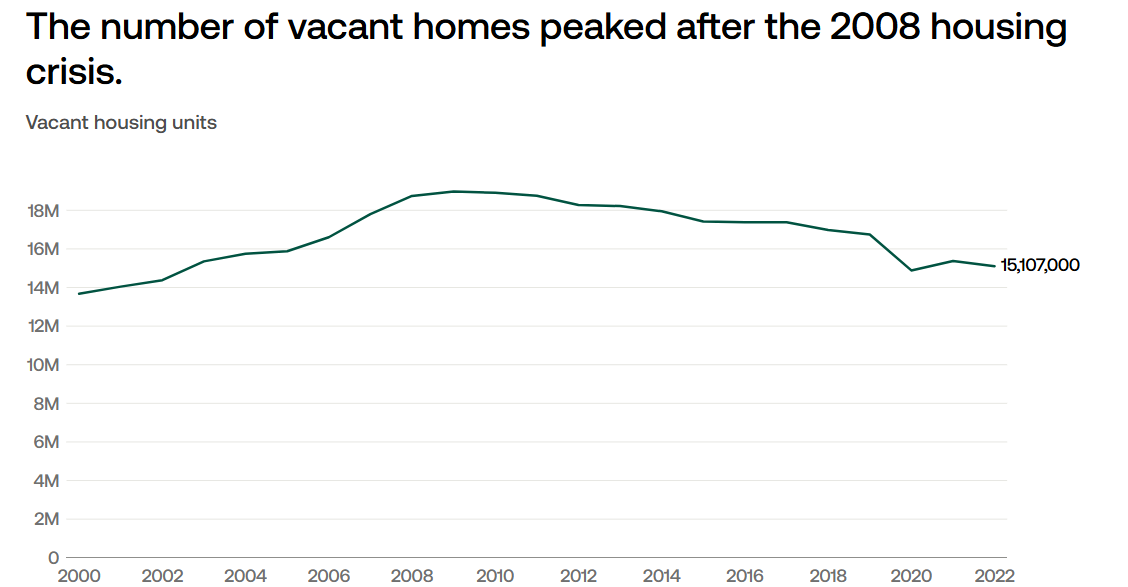

      henry send me your hard card on how you build a 2k sq foot home including land and permits for 50 bucks a foot.. I know you can do that easily in Belize but even in the mid west or fly over areas I have a hard time thinking one can get that done unless they are providing their own labor at no charge.. 

      but I agree with your statements on markets and affordable housing.. we dont have an affordability issue we have an issue were people want to live .. and or were jobs will support housing.. there are hundreds of thousands of homes throughout the mid west and deep south that are quite livable on all city services for under 200k in todays market.. The issue is where folks want to live.. Not everyone can live in Malibu or Cupertino :)

       Town next to us had 80% of their housing wiped out.  $30,000 for lots. Utilities and driveway in place.

      $70,000 this is subject to zoning which is possible in this town. 2 years ago we built this for my brother as a managers home for a Selfstorage location.  Metal building, sprayfoam insulation, granite countertops, tile floor, touch screen bath room mirror, 8 nozzle full body shower, carport and porch out back.  He did install all of the doors and cabinets himself.  Our town doesnโ€™t allow metal buildings. 

      Belize is definitely cheaper.

      Belize $1,000 acre for 89 acres. $40,000 to clear. Now $3,000 per acre. Plowing rows to plant Teak then $7,000 per acre. Wait 21 years and harvest then $92,000 per acre. My point is there are many angles to REI.

    • Henry ClarkPro Member
      Developer ยท Member since 2020 ยท 4k+ posts ยท 4k+ votes
      11mo
      Quote from @Jay Hinrichs:
      Quote from @Henry Clark:

      OP.  All of the issues stated donโ€™t matter.  

      1.  Real estate is local.

      2.  2 topics throughout this thread which are different.   RE investing and affordable housing.  

      3.  You want aberrations to make more money.  The fact the market is high here, low there, interest rates, availability, etc.  The more aberrations greater chance for profit.  Change your RE formula.

      4.   There is tons of affordable housing.  Even in the major cities. People โ€œareโ€ living  somewhere, no matter their income level.  They are not in situations most BP investors imagine but they have housing.  My friend Jose.  5 siblings 20 to 25, one baby, mother 50 living in 1,200 sqft.  Father died when he was 2.  

      5. We BP are trained to use OPM but there is a cash market that is active.  Our first two subdivision lot sales are to people who have debt free homes who are building.  One wants to live in the country on a larger lot, the other is retiring and moving back to the area.  We only need 1/10 of 1% of the market to make our deal work.  One of our neighbors, Hispanic, just does cash, even buying their home.  Two different ends of the wealth distribution. 

      6.  Generational differences?  Give me a young person, any social or economic background and I can help them be a millionaire by 40.  And then once they learn the game their snowball grows faster and faster.  

      7.  Any one want an existing $1mm house or condo for $250,000?  I can get you 300,000 of them.  Again RE is local.  

      8.  Including land, utility hookup, road access.   Can build a 2,000 sqft home for $100,000. Rent in this area would be around $1,500 for that home.  About 40 lots available, so not a one off. 

       
      9. Concentration of wealth? May 1982 I had $300 and a truck I bought for $100. The concepts of wealthy and poor are personal decisions. That was actually the same year I made the greatest financial mistake of my life. I should have dropped out of college and gotten an IRA. $2,000 contribution per year compounding at 20% fixed for the rest of my life. I did "see" it, but didn't take action.

      RE is local from an investors standpoint. 

      There is no affordable housing issue.  People are living somewhere.


      My neighbors son 20, 2 years out of high school just bought a house.  With his money and financing. 


      It's out there. You might just need to tweak your REI model.


      henry send me your hard card on how you build a 2k sq foot home including land and permits for 50 bucks a foot.. I know you can do that easily in Belize but even in the mid west or fly over areas I have a hard time thinking one can get that done unless they are providing their own labor at no charge.. 

      but I agree with your statements on markets and affordable housing.. we dont have an affordability issue we have an issue were people want to live .. and or were jobs will support housing.. there are hundreds of thousands of homes throughout the mid west and deep south that are quite livable on all city services for under 200k in todays market.. The issue is where folks want to live.. Not everyone can live in Malibu or Cupertino :)

       One thing I like about BP that is such a depth of experience that people can call BS easily from a knowledge standpoint.  

      I was actually expecting someone to jump on the $1mm house condos for 250,000 and I could get 300,000 of them.  

    • Jay HinrichsBusiness Member
      Real Estate Consultant ยท Summerlin, NV ยท Member since 2014 ยท 45k+ posts ยท 66k+ votes
      11mo
      Quote from @Henry Clark:
      Quote from @Jay Hinrichs:
      Quote from @Henry Clark:

      OP.  All of the issues stated donโ€™t matter.  

      1.  Real estate is local.

      2.  2 topics throughout this thread which are different.   RE investing and affordable housing.  

      3.  You want aberrations to make more money.  The fact the market is high here, low there, interest rates, availability, etc.  The more aberrations greater chance for profit.  Change your RE formula.

      4.   There is tons of affordable housing.  Even in the major cities. People โ€œareโ€ living  somewhere, no matter their income level.  They are not in situations most BP investors imagine but they have housing.  My friend Jose.  5 siblings 20 to 25, one baby, mother 50 living in 1,200 sqft.  Father died when he was 2.  

      5. We BP are trained to use OPM but there is a cash market that is active.  Our first two subdivision lot sales are to people who have debt free homes who are building.  One wants to live in the country on a larger lot, the other is retiring and moving back to the area.  We only need 1/10 of 1% of the market to make our deal work.  One of our neighbors, Hispanic, just does cash, even buying their home.  Two different ends of the wealth distribution. 

      6.  Generational differences?  Give me a young person, any social or economic background and I can help them be a millionaire by 40.  And then once they learn the game their snowball grows faster and faster.  

      7.  Any one want an existing $1mm house or condo for $250,000?  I can get you 300,000 of them.  Again RE is local.  

      8.  Including land, utility hookup, road access.   Can build a 2,000 sqft home for $100,000. Rent in this area would be around $1,500 for that home.  About 40 lots available, so not a one off. 

       
      9. Concentration of wealth? May 1982 I had $300 and a truck I bought for $100. The concepts of wealthy and poor are personal decisions. That was actually the same year I made the greatest financial mistake of my life. I should have dropped out of college and gotten an IRA. $2,000 contribution per year compounding at 20% fixed for the rest of my life. I did "see" it, but didn't take action.

      RE is local from an investors standpoint. 

      There is no affordable housing issue.  People are living somewhere.


      My neighbors son 20, 2 years out of high school just bought a house.  With his money and financing. 


      It's out there. You might just need to tweak your REI model.


      henry send me your hard card on how you build a 2k sq foot home including land and permits for 50 bucks a foot.. I know you can do that easily in Belize but even in the mid west or fly over areas I have a hard time thinking one can get that done unless they are providing their own labor at no charge.. 

      but I agree with your statements on markets and affordable housing.. we dont have an affordability issue we have an issue were people want to live .. and or were jobs will support housing.. there are hundreds of thousands of homes throughout the mid west and deep south that are quite livable on all city services for under 200k in todays market.. The issue is where folks want to live.. Not everyone can live in Malibu or Cupertino :)

       Town next to us had 80% of their housing wiped out.  $30,000 for lots. Utilities and driveway in place.

      $70,000 this is subject to zoning which is possible in this town. 2 years ago we built this for my brother as a managers home for a Selfstorage location.  Metal building, sprayfoam insulation, granite countertops, tile floor, touch screen bath room mirror, 8 nozzle full body shower, carport and porch out back.  He did install all of the doors and cabinets himself.  Our town doesnโ€™t allow metal buildings. 

      Belize is definitely cheaper.

      Belize $1,000 acre for 89 acres. $40,000 to clear. Now $3,000 per acre. Plowing rows to plant Teak then $7,000 per acre. Wait 21 years and harvest then $92,000 per acre. My point is there are many angles to REI.


      well as you note cant compare a metal building to modern stick built SFR.. but still great deal for them and you.
  • Investor ยท Kitchener-Waterloo, Ontario ยท Member since 2008 ยท 1k+ posts ยท 1k+ votes
    11mo

    There's an interesting development here in Canada. The millennials who were priced out of the market in the lead up to and during the COVID inflation bubble kept renting and dumped their money into the stock market. If you're not aware, the Canadian stock market that was already doing well has gone parabolic thanks to the trade war rotating mountains of foreign cash into undervalued Canadian stocks (relative to the US).

    At the same time the real estate market particularly in Ontario and BC has crashed. Ontario is down 30% overall with some areas of the Greater Toronto Area down 40% and condos are down 60%+.

    So we're looking at a situation where an entire generation are in a position to buy their first home all cash. I don't think that's happened since the pioneer days.

    • Jay HinrichsBusiness Member
      Real Estate Consultant ยท Summerlin, NV ยท Member since 2014 ยท 45k+ posts ยท 66k+ votes
      11mo
      Quote from @Doug P.:

      There's an interesting development here in Canada. The millennials who were priced out of the market in the lead up to and during the COVID inflation bubble kept renting and dumped their money into the stock market. If you're not aware, the Canadian stock market that was already doing well has gone parabolic thanks to the trade war rotating mountains of foreign cash into undervalued Canadian stocks (relative to the US).

      At the same time the real estate market particularly in Ontario and BC has crashed. Ontario is down 30% overall with some areas of the Greater Toronto Area down 40% and condos are down 60%+.

      So we're looking at a situation where an entire generation are in a position to buy their first home all cash. I don't think that's happened since the pioneer days.


      wow I have to go look at Kelowna Vernon and Kamloops again love to pick up a summer home there with the currency delta and prices down.. could be great.. was for me in 2001 when I first bought there.
    • Investor ยท Kitchener-Waterloo, Ontario ยท Member since 2008 ยท 1k+ posts ยท 1k+ votes
      11mo
      Quote from @Jay Hinrichs:
      Quote from @Doug P.:

      There's an interesting development here in Canada. The millennials who were priced out of the market in the lead up to and during the COVID inflation bubble kept renting and dumped their money into the stock market. If you're not aware, the Canadian stock market that was already doing well has gone parabolic thanks to the trade war rotating mountains of foreign cash into undervalued Canadian stocks (relative to the US).

      At the same time the real estate market particularly in Ontario and BC has crashed. Ontario is down 30% overall with some areas of the Greater Toronto Area down 40% and condos are down 60%+.

      So we're looking at a situation where an entire generation are in a position to buy their first home all cash. I don't think that's happened since the pioneer days.


      wow I have to go look at Kelowna Vernon and Kamloops again love to pick up a summer home there with the currency delta and prices down.. could be great.. was for me in 2001 when I first bought there.

      I don't follow the BC market very closely but I have heard that Kelowna is managing to hold its prices fairly well. The buyer's market is mostly still mostly focused on the condo market in Vancouver.

    • Jay HinrichsBusiness Member
      Real Estate Consultant ยท Summerlin, NV ยท Member since 2014 ยท 45k+ posts ยท 66k+ votes
      11mo
      Quote from @Doug P.:
      Quote from @Jay Hinrichs:
      Quote from @Doug P.:

      There's an interesting development here in Canada. The millennials who were priced out of the market in the lead up to and during the COVID inflation bubble kept renting and dumped their money into the stock market. If you're not aware, the Canadian stock market that was already doing well has gone parabolic thanks to the trade war rotating mountains of foreign cash into undervalued Canadian stocks (relative to the US).

      At the same time the real estate market particularly in Ontario and BC has crashed. Ontario is down 30% overall with some areas of the Greater Toronto Area down 40% and condos are down 60%+.

      So we're looking at a situation where an entire generation are in a position to buy their first home all cash. I don't think that's happened since the pioneer days.


      wow I have to go look at Kelowna Vernon and Kamloops again love to pick up a summer home there with the currency delta and prices down.. could be great.. was for me in 2001 when I first bought there.

      I don't follow the BC market very closely but I have heard that Kelowna is managing to hold its prices fairly well. The buyer's market is mostly still mostly focused on the condo market in Vancouver.


      thanks I will snoop around..  more interested in fishing cabin in the woods type of thing
    • Investor ยท Milwaukee - Mequon, WI ยท Member since 2010 ยท 5k+ posts ยท 7k+ votes
      11mo
      Quote from @Doug P.:
      Quote from @Jay Hinrichs:
      Quote from @Doug P.:

      There's an interesting development here in Canada. The millennials who were priced out of the market in the lead up to and during the COVID inflation bubble kept renting and dumped their money into the stock market. If you're not aware, the Canadian stock market that was already doing well has gone parabolic thanks to the trade war rotating mountains of foreign cash into undervalued Canadian stocks (relative to the US).

      At the same time the real estate market particularly in Ontario and BC has crashed. Ontario is down 30% overall with some areas of the Greater Toronto Area down 40% and condos are down 60%+.

      So we're looking at a situation where an entire generation are in a position to buy their first home all cash. I don't think that's happened since the pioneer days.


      wow I have to go look at Kelowna Vernon and Kamloops again love to pick up a summer home there with the currency delta and prices down.. could be great.. was for me in 2001 when I first bought there.

      I don't follow the BC market very closely but I have heard that Kelowna is managing to hold its prices fairly well. The buyer's market is mostly still mostly focused on the condo market in Vancouver.

       That is interesting. I can't find much data about the Canadian real estate market and I was still under the impression that Canadian home prices are nuts - looks like you are back to 2017 prices?? And you have a lot more inventory as well (5 months?), but on the other hand also lower mortgage rates.. why are your prices dropping? Is that because you don't have 30y fixed interest mortgages and now sellers are more motivated? 

      (In the US we have a phenomenon of "downward sticky" home prices - the majority of sellers will just not sell and take their listing off the market if they don't get what they think they should, only the minority that is forced by circumstances will have to lower the price)  

    • Investor ยท Kitchener-Waterloo, Ontario ยท Member since 2008 ยท 1k+ posts ยท 1k+ votes
      11mo
      Quote from @Marcus Auerbach:
      Quote from @Doug P.:
      Quote from @Jay Hinrichs:
      Quote from @Doug P.:

      There's an interesting development here in Canada. The millennials who were priced out of the market in the lead up to and during the COVID inflation bubble kept renting and dumped their money into the stock market. If you're not aware, the Canadian stock market that was already doing well has gone parabolic thanks to the trade war rotating mountains of foreign cash into undervalued Canadian stocks (relative to the US).

      At the same time the real estate market particularly in Ontario and BC has crashed. Ontario is down 30% overall with some areas of the Greater Toronto Area down 40% and condos are down 60%+.

      So we're looking at a situation where an entire generation are in a position to buy their first home all cash. I don't think that's happened since the pioneer days.


      wow I have to go look at Kelowna Vernon and Kamloops again love to pick up a summer home there with the currency delta and prices down.. could be great.. was for me in 2001 when I first bought there.

      I don't follow the BC market very closely but I have heard that Kelowna is managing to hold its prices fairly well. The buyer's market is mostly still mostly focused on the condo market in Vancouver.

       That is interesting. I can't find much data about the Canadian real estate market and I was still under the impression that Canadian home prices are nuts - looks like you are back to 2017 prices?? And you have a lot more inventory as well (5 months?), but on the other hand also lower mortgage rates.. why are your prices dropping? Is that because you don't have 30y fixed interest mortgages and now sellers are more motivated? 

      (In the US we have a phenomenon of "downward sticky" home prices - the majority of sellers will just not sell and take their listing off the market if they don't get what they think they should, only the minority that is forced by circumstances will have to lower the price)  


      Yup those stats are all accurate. We've had a perfect storm that caused unsustainable prices. First, during the COVID lockdowns the government sent everyone $2k/month, even those who were still working remotely. Second, at the same time mortgage rates fell to a low of 0.88% in late 2021. And third, Canada used to hold immigration steady at about 300k/year and we build enough housing for that population growth. But the government increased immigration to 500k/year and at the same time increased visas for temporary foreign workers and international students to over 2 million/year.

      So we ended up with a population growth of 7-8 million during a period where we only built enough housing for about 1.5 million.

      Now immigration laws have changed and we have net emigration for the first time in the history of this country. At the same time mortgage rates are at around 4-4.5%. At the same time that housing is still too expensive relative to household income for ordinary citizens.

      Owner-occupied houses are downward sticky for the most part. The crash in prices is due to speculators (I wouldn't call them investors) getting stuck with houses and especially condos that they can no longer rent out at 4 people to a room at $1,000/head.

    • Investor ยท Milwaukee - Mequon, WI ยท Member since 2010 ยท 5k+ posts ยท 7k+ votes
      11mo
      Quote from @Doug P.:
      Quote from @Marcus Auerbach:
      Quote from @Doug P.:
      Quote from @Jay Hinrichs:
      Quote from @Doug P.:

      There's an interesting development here in Canada. The millennials who were priced out of the market in the lead up to and during the COVID inflation bubble kept renting and dumped their money into the stock market. If you're not aware, the Canadian stock market that was already doing well has gone parabolic thanks to the trade war rotating mountains of foreign cash into undervalued Canadian stocks (relative to the US).

      At the same time the real estate market particularly in Ontario and BC has crashed. Ontario is down 30% overall with some areas of the Greater Toronto Area down 40% and condos are down 60%+.

      So we're looking at a situation where an entire generation are in a position to buy their first home all cash. I don't think that's happened since the pioneer days.


      wow I have to go look at Kelowna Vernon and Kamloops again love to pick up a summer home there with the currency delta and prices down.. could be great.. was for me in 2001 when I first bought there.

      I don't follow the BC market very closely but I have heard that Kelowna is managing to hold its prices fairly well. The buyer's market is mostly still mostly focused on the condo market in Vancouver.

       That is interesting. I can't find much data about the Canadian real estate market and I was still under the impression that Canadian home prices are nuts - looks like you are back to 2017 prices?? And you have a lot more inventory as well (5 months?), but on the other hand also lower mortgage rates.. why are your prices dropping? Is that because you don't have 30y fixed interest mortgages and now sellers are more motivated? 

      (In the US we have a phenomenon of "downward sticky" home prices - the majority of sellers will just not sell and take their listing off the market if they don't get what they think they should, only the minority that is forced by circumstances will have to lower the price)  


      Yup those stats are all accurate. We've had a perfect storm that caused unsustainable prices. First, during the COVID lockdowns the government sent everyone $2k/month, even those who were still working remotely. Second, at the same time mortgage rates fell to a low of 0.88% in late 2021. And third, Canada used to hold immigration steady at about 300k/year and we build enough housing for that population growth. But the government increased immigration to 500k/year and at the same time increased visas for temporary foreign workers and international students to over 2 million/year.

      So we ended up with a population growth of 7-8 million during a period where we only built enough housing for about 1.5 million.

      Now immigration laws have changed and we have net emigration for the first time in the history of this country. At the same time mortgage rates are at around 4-4.5%. At the same time that housing is still too expensive relative to household income for ordinary citizens.

      Owner-occupied houses are downward sticky for the most part. The crash in prices is due to speculators (I wouldn't call them investors) getting stuck with houses and especially condos that they can no longer rent out at 4 people to a room at $1,000/head.


      That makes perfect sense and totally follows econ 101. RE is not that complicated; you just need to look at the right metrics. Assuming there is not much elasticity in supply, will emigration continue?

    • Investor ยท Kitchener-Waterloo, Ontario ยท Member since 2008 ยท 1k+ posts ยท 1k+ votes
      11mo
      Quote from @Marcus Auerbach:
      Quote from @Doug P.:
      Quote from @Marcus Auerbach:
      Quote from @Doug P.:
      Quote from @Jay Hinrichs:
      Quote from @Doug P.:

      There's an interesting development here in Canada. The millennials who were priced out of the market in the lead up to and during the COVID inflation bubble kept renting and dumped their money into the stock market. If you're not aware, the Canadian stock market that was already doing well has gone parabolic thanks to the trade war rotating mountains of foreign cash into undervalued Canadian stocks (relative to the US).

      At the same time the real estate market particularly in Ontario and BC has crashed. Ontario is down 30% overall with some areas of the Greater Toronto Area down 40% and condos are down 60%+.

      So we're looking at a situation where an entire generation are in a position to buy their first home all cash. I don't think that's happened since the pioneer days.


      wow I have to go look at Kelowna Vernon and Kamloops again love to pick up a summer home there with the currency delta and prices down.. could be great.. was for me in 2001 when I first bought there.

      I don't follow the BC market very closely but I have heard that Kelowna is managing to hold its prices fairly well. The buyer's market is mostly still mostly focused on the condo market in Vancouver.

       That is interesting. I can't find much data about the Canadian real estate market and I was still under the impression that Canadian home prices are nuts - looks like you are back to 2017 prices?? And you have a lot more inventory as well (5 months?), but on the other hand also lower mortgage rates.. why are your prices dropping? Is that because you don't have 30y fixed interest mortgages and now sellers are more motivated? 

      (In the US we have a phenomenon of "downward sticky" home prices - the majority of sellers will just not sell and take their listing off the market if they don't get what they think they should, only the minority that is forced by circumstances will have to lower the price)  


      Yup those stats are all accurate. We've had a perfect storm that caused unsustainable prices. First, during the COVID lockdowns the government sent everyone $2k/month, even those who were still working remotely. Second, at the same time mortgage rates fell to a low of 0.88% in late 2021. And third, Canada used to hold immigration steady at about 300k/year and we build enough housing for that population growth. But the government increased immigration to 500k/year and at the same time increased visas for temporary foreign workers and international students to over 2 million/year.

      So we ended up with a population growth of 7-8 million during a period where we only built enough housing for about 1.5 million.

      Now immigration laws have changed and we have net emigration for the first time in the history of this country. At the same time mortgage rates are at around 4-4.5%. At the same time that housing is still too expensive relative to household income for ordinary citizens.

      Owner-occupied houses are downward sticky for the most part. The crash in prices is due to speculators (I wouldn't call them investors) getting stuck with houses and especially condos that they can no longer rent out at 4 people to a room at $1,000/head.


      That makes perfect sense and totally follows econ 101. RE is not that complicated; you just need to look at the right metrics. Assuming there is not much elasticity in supply, will emigration continue?


      This is just anecdotal, but I've talked to a few immigrants who I thought were well established with good jobs and kids in university and even they're considering returning to their home countries. Based on that and the jobs numbers I'd say net emigration is going to continue for at least a couple more quarters.

      In Toronto the average rent for a 1 bedroom apartment has dropped from $2200 to $1800. I've never seen a decline in rent like this before. Meanwhile the condo market is a mess over 15,000 resale units for sale and 30,000 new units built this year. Countless projects have been axed for next year so now most of the trades are struggling too.

    • Investor ยท Milwaukee - Mequon, WI ยท Member since 2010 ยท 5k+ posts ยท 7k+ votes
      11mo
      Quote from @Doug P.:
      Quote from @Marcus Auerbach:
      Quote from @Doug P.:
      Quote from @Jay Hinrichs:
      Quote from @Doug P.:

      There's an interesting development here in Canada. The millennials who were priced out of the market in the lead up to and during the COVID inflation bubble kept renting and dumped their money into the stock market. If you're not aware, the Canadian stock market that was already doing well has gone parabolic thanks to the trade war rotating mountains of foreign cash into undervalued Canadian stocks (relative to the US).

      At the same time the real estate market particularly in Ontario and BC has crashed. Ontario is down 30% overall with some areas of the Greater Toronto Area down 40% and condos are down 60%+.

      So we're looking at a situation where an entire generation are in a position to buy their first home all cash. I don't think that's happened since the pioneer days.


      wow I have to go look at Kelowna Vernon and Kamloops again love to pick up a summer home there with the currency delta and prices down.. could be great.. was for me in 2001 when I first bought there.

      I don't follow the BC market very closely but I have heard that Kelowna is managing to hold its prices fairly well. The buyer's market is mostly still mostly focused on the condo market in Vancouver.

       That is interesting. I can't find much data about the Canadian real estate market and I was still under the impression that Canadian home prices are nuts - looks like you are back to 2017 prices?? And you have a lot more inventory as well (5 months?), but on the other hand also lower mortgage rates.. why are your prices dropping? Is that because you don't have 30y fixed interest mortgages and now sellers are more motivated? 

      (In the US we have a phenomenon of "downward sticky" home prices - the majority of sellers will just not sell and take their listing off the market if they don't get what they think they should, only the minority that is forced by circumstances will have to lower the price)  


      Yup those stats are all accurate. We've had a perfect storm that caused unsustainable prices. First, during the COVID lockdowns the government sent everyone $2k/month, even those who were still working remotely. Second, at the same time mortgage rates fell to a low of 0.88% in late 2021. And third, Canada used to hold immigration steady at about 300k/year and we build enough housing for that population growth. But the government increased immigration to 500k/year and at the same time increased visas for temporary foreign workers and international students to over 2 million/year.

      So we ended up with a population growth of 7-8 million during a period where we only built enough housing for about 1.5 million.

      Now immigration laws have changed and we have net emigration for the first time in the history of this country. At the same time mortgage rates are at around 4-4.5%. At the same time that housing is still too expensive relative to household income for ordinary citizens.

      Owner-occupied houses are downward sticky for the most part. The crash in prices is due to speculators (I wouldn't call them investors) getting stuck with houses and especially condos that they can no longer rent out at 4 people to a room at $1,000/head.


      That makes perfect sense and totally follows econ 101. RE is not that complicated; you just need to look at the right metrics. Assuming there is not much elasticity in supply, will emigration continue?

  • Frankie VozziBusiness Member
    Member since 2025 ยท 332 posts ยท 82 votes
    11mo

    You nailed it, Michael, rates get all the attention, but affordability and deal structure are what really make or break a deal right now. Out of curiosity, how are you helping your investors (or yourself) structure deals to stay profitable in this market?

    I've been seeing more investors using DSCR and Hard Money loans to stay active without waiting on perfect rates. Would love to compare notes sometime, always great connecting with other experienced investors.

  • Frankie VozziBusiness Member
    Member since 2025 ยท 332 posts ยท 82 votes
    11mo

    You nailed it, Michael, rates get all the attention, but affordability and deal structure are what really make or break a deal right now. Out of curiosity, how are you helping your investors (or yourself) structure deals to stay profitable in this market?

    I've been seeing more investors using DSCR and Hard Money loans to stay active without waiting on perfect rates. Would love to compare notes sometime, always great connecting with other experienced investors.

  • Real Estate Agent ยท Chicago, IL ยท Member since 2017 ยท 2k+ posts ยท 2k+ votes
    11mo

    @marcus this is what I have also seen much lower rent to purchase ratios in the rest of the world. I love to travel and been to over 30 countries. Writing this from El Salvador actually, here a $400k condo rents around $2k, they are even selling $700k ones by the beach and sold out at only 1500 sqft (I should start building here haha). Santiago Chile a $500k condo rents around $2k. Lima Peru condos go around .3-.6% rent to purchase. Much of the rest of world goes even lower heard Switzerland the average deal is .3% rent to purchase. People still buy. 

    • Dan H.Pro Member
      Investor ยท Poway, CA ยท Member since 2015 ยท 7k+ posts ยท 8k+ votes
      11mo
      Quote from @Henry Lazerow:

      @marcus this is what I have also seen much lower rent to purchase ratios in the rest of the world. I love to travel and been to over 30 countries. Writing this from El Salvador actually, here a $400k condo rents around $2k, they are even selling $700k ones by the beach and sold out at only 1500 sqft (I should start building here haha). Santiago Chile a $500k condo rents around $2k. Lima Peru condos go around .3-.6% rent to purchase. Much of the rest of world goes even lower heard Switzerland the average deal is .3% rent to purchase. People still buy. 


      If you took the average SFH in San Diego ($1m median), it would rent for significantly less than a 0.5% ratio (my guess is a little above p.4% ratio). Of course these are not what the typical RE investor is buying. Re investors are either purchasing small MF, in c class or below areas (not an approach I recommend), off market, and/or value add to achieve a slightly better ratio. A 0.7% ration on an mls purchase is very good in San Diego. This 0,7% ratio at the San Diego high rent points used to depict some cash flow (not much at 80% LTV, the return in San Diego RE is via appreciation and rent growth) before the interest rates doubleD, using my underwriting. Now they are large negative cash flow and the appreciation and rent has been flattish over the last 2 years (depending on the source of the data).

      Another approach some San Diego RE investor have been taking is buy below market rent properties at slightly below the value represented by comps.   the ratio at purchase on these purchases is typically far below 0.7% and can be below 0.5%. There is statewide rent control and San Diego city has a slightly more restrictive rent control (both applying to MF (2 units or more) only).   These below market rents can be quickly raised at the end of lease by doing an extensive rehab that tenant cannot live in unit (more than flooring, unless flooring has asbestos or painting).  Under this extensive rehab, the LL has to pay the tenant to leave (2 months rent in San Diego city, 1 month rent statewide).   Alternative is they can move a close family member into the unit at same buy out.    

      Or the LL can raise the rent within the rent control restrictions (local CPI + 5%, capped at 10% - currently 8.8% for San Diego).   This could take many years to achieve market rent and prior to the last couple of years was loosing ground because the market rent increased more than the LL could raise rents on the below market rent units).

      The LL collecting below market rents end up losing cash flow monthly and they lose more at exit because they have to sell at a discount due to below market rents and no easy ability to raise the rents to market rent.

      Not hard to see why my last local purchase was over 3 years ago,just before rates started going up.

      Good luck

  • Corby GoadeBusiness Member
    Investor ยท Boise, ID ยท Member since 2014 ยท 3k+ posts ยท 3k+ votes
    11mo

    I don't invest based on things that are out of my control. 

    I don't control market values and I don't control interest rates. 

    There's never a bad time to buy desirable properties in desirable areas, the issue is always that people don't want to wait, they want everything now and think that they shouldn't have to take risk, be patient or work. The nicest car, their dream house, the perfect job, cashflowing properties, tons of equity and financial freedom tomorrow.

    The fact is, those things are desirable because they're hard to obtain. It takes patience, risk and fortitude most people don't have when the rubber meets the road. 

  • Real Estate Agent ยท Chicago, IL ยท Member since 2017 ยท 2k+ posts ยท 2k+ votes
    11mo

    @Dan H. Interesting I did not know that about CA and thought they still sold a bit higher ratios for houses, I figured rents would be able to be pushed very high. Is the rent control also on houses? Are there not people willing to pay $10k+ to rent homes? How much is it to build a basic ADU in california now for an investor?

    In Chicago north side we have class A/B buildings and the 3 and 4 units still sell .7 to .9 ratios going off market rents, I have sold many of which the buyers are on BP. The rents go up 5-10% a year which has been amazing growth and pushed prices also but at day 1 they are low cashflow or even negative until you raise the rents on renewals. These are what I have seen work and own myself, I don't think most people are buying C class other then some newbies who sell out after a few years and some older investors who own them in cash so can stay alive while they are having tenant issues.

    • Dan H.Pro Member
      Investor ยท Poway, CA ยท Member since 2015 ยท 7k+ posts ยท 8k+ votes
      11mo
      Quote from @Henry Lazerow:

      @Dan H. Interesting I did not know that about CA and thought they still sold a bit higher ratios for houses, I figured rents would be able to be pushed very high. Is the rent control also on houses? Are there not people willing to pay $10k+ to rent homes? How much is it to build a basic ADU in california now for an investor?

      In Chicago north side we have class A/B buildings and the 3 and 4 units still sell .7 to .9 ratios going off market rents, I have sold many of which the buyers are on BP. The rents go up 5-10% a year which has been amazing growth and pushed prices also but at day 1 they are low cashflow or even negative until you raise the rents on renewals. These are what I have seen work and own myself, I don't think most people are buying C class other then some newbies who sell out after a few years and some older investors who own them in cash so can stay alive while they are having tenant issues.


      Rent control does not apply to SFR or 2 units if the owner occupied before the tenant.

      I suspect a majority of MF for sale in San Diego are not at โ€œmarketโ€ rent but some of them may be at fair rent because they are in poor condition.

      Until the last 2 years our market rent increase was the rent control increase and prior to the last couple years that meant 10% increase to existing tenants (actual average increase was above 10% in some of those years due to the tenant turnover increases driving it up).

      Class c here, if you manage well, are not too tenant cumbersome (but I still, do not recommend and I have maybe a dozen class c+ to c units).   Our tenants pay their rents on time even in class c because they will be challenged to find housing without a strong LL reference.  We have one of the lowest delinquency and eviction rates in the country.  There is more tenant drama in class c and they are in general tougher on the units, but they seldom are real bad tenants which is good because when rents are going up a lot, it is hard to get rid of poor tenants.  It is easier if rents are flattish, but I can legally raise the rent 8.8% (~$300/month on my average rent).. I think I will use this to try to get rid of a tenant that is not a bad tenant, but not up to what we desire/expect (she has never been late on a rent payment but does not abide by rules and is rough on the units).

      Good luck

  • Chris SeveneyBusiness Member
    Moderator
    Investor ยท VA ยท Member since 2015 ยท 21k+ posts ยท 19k+ votes
    11mo

    i disagree that interest rates fall people will come flocking. the reason being is what is going to cause interest rates to fall? Typically rates will have when we have some economic uncertainty or stress in the markets. Right now homes are approx. 40% unaffordable, if rates went down to 4% the majority of people still could not afford homes at the current price, so jacking up the price is not going to get people out shopping. Its like saying the sports car you want has 0% financing - still cannot afford it. Would there be an initial bump, yes but its not sustainable.

    7e investments53 Reviews
  • Nicholas L.Pro Member
    Flipper/Rehabber ยท Pittsburgh ยท Member since 2018 ยท 6k+ posts ยท 5k+ votes
    11mo

    @Chris Seveney

    i think you're mostly right although won't lower rates incentivize people who have been putting off a move to jump in?

    the other thing to note is that at least in the US we are at record highs in terms of the owners who have no mortgage.  so they're not comparing rates - they're comparing no mortgage to having a mortgage.

    • Member since 2020 ยท 351 posts ยท 329 votes
      11mo
      Quote from @Nicholas L.:

      @Chris Seveney

      i think you're mostly right although won't lower rates incentivize people who have been putting off a move to jump in?

      the other thing to note is that at least in the US we are at record highs in terms of the owners who have no mortgage.  so they're not comparing rates - they're comparing no mortgage to having a mortgage.


       Potentially, but it's going to be outweighed by far by the folks who are laid off or afraid they will get laid.  Interest rates are only going to move down because the job market gets worse (maybe it will maybe it won't).   But inflation is sticky because of government debt levels  which means lower interest rates have to because the job market is worse than 4-5% inflation that would result due to low interest rates.

  • Investor ยท Milwaukee - Mequon, WI ยท Member since 2010 ยท 5k+ posts ยท 7k+ votes
    11mo

    Lower mortgage rates also bring more listings; too many would-be sellers are not moving because they are handcuffed to a 2.75% mortgage and would have to buy at 7%. Surveys show that going back into the 5s would mobilize many of them. And keep in mind that this is not adding more available inventory, because they are also buyers, so net zero.

    I assume that most people on BP know that the Fed does not control mortgage rates. When the Fed cuts rates, often mortgage rates go up in response. Mortgage rates are driven by capital markets and typically follow the 10-year US treasury bonds with a 2.5%-ish risk premium. 10Y Tbill is at 4.2% so mortgage rates are close to 7%

Join the conversationCreate a free account to reply, vote on answers and follow this thread.