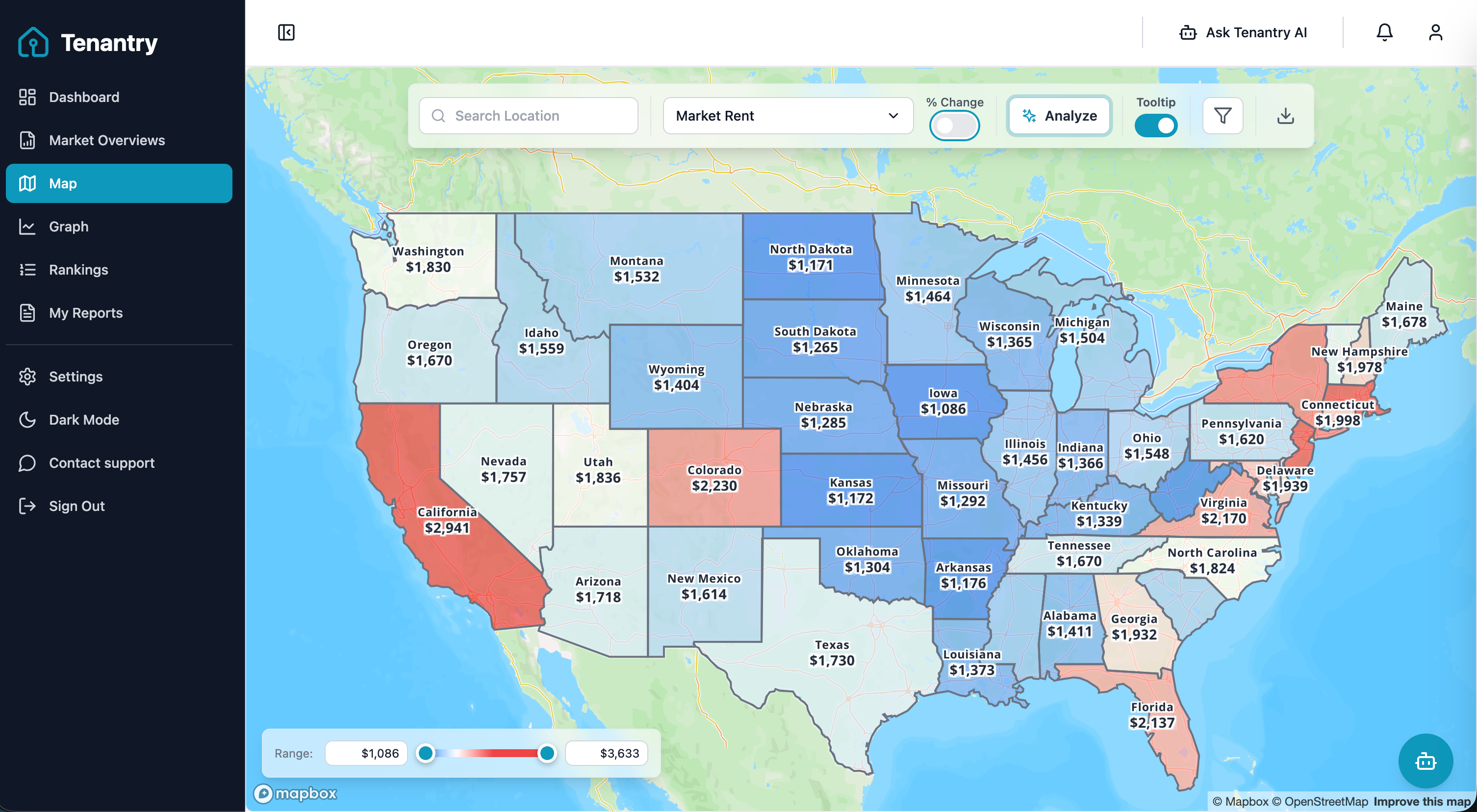
I'm almost about to get out of the military and I'm looking forward to start house hacking with my VA loan, I've been analyzing different markets and I think it's causing me to go into analysis paralysis, I'm very worried about getting a bad deal that I won't be able to get out of for one year, what's a good multi-family market/state for a rookie investor.
You may want to take a look at Citrus County, Florida around Crystal River or Dunellon. Great area to find a Duplex you can use your DD-214 to buy a home 100%. This is also a good area to buy a home and quickly get into another REI within 8-12 months due to value and ARV options.
Any questions feel free to reach out I enjoy helping other Bigger Pockets Members save time and money and talk REI.
I recommend buying a fourplex in class A location in a market like Kansas City. Can find one for $600-$800k that will build tremendous wealth for you over time.
I'm almost about to get out of the military and I'm looking forward to start house hacking with my VA loan, I've been analyzing different markets and I think it's causing me to go into analysis paralysis, I'm very worried about getting a bad deal that I won't be able to get out of for one year, what's a good multi-family market/state for a rookie investor.
For people in CA who can't find a local market, it's suggested they first start out in an affordable and close market like Phoenix or Las Vegas. You need to know how to find the right place no matter where you start out.
Where do you want to be? What is important in a community (city, town etc)? There can be deals in many places, even in California. Consider the life you want to have for the months and years you're house hacking. Do you want to be near family? Away from family? Buy in areas that others will also want to live. Look at the economics of an area and beware of companies that plan to move and open a factory or office. Look for growth and areas of migration of people and industries. Your advantage is that is sounds like you can go anywhere.
A “good” multifamily market really depends on your goals and the kind of lifestyle you want.
Do you want to be near the beach, on the West Coast, in the Midwest, down South or the East Coast? Every market has opportunities—you can find a house hack in almost any state if the numbers make sense and it fits your situation.
I’d start by getting clear on your goals first. What are you trying to achieve with this first property—cash flow, lowering your living expenses, long-term appreciation? And what kind of lifestyle do you want while you’re living there?
From there, narrow down your market instead of trying to analyze everything at once. Analysis paralysis is real, but the only way out of it is taking action.
Write down your criteria, your goals, and start executing step by step. Your first deal doesn’t have to be perfect—and it’s probably not going to be your forever home. You’ll learn a lot just by getting started, and that’s what really builds momentum.
Have you had a chance to speak with a lender yet and get fully preapproved? In my experience, that’s usually the best first step before spending too much time narrowing down markets.
A lot of first-time investors (totally understandably) jump straight into researching cities and analyzing deals, but it can get overwhelming pretty quickly if you don’t have a clear picture of your actual buying power and loan parameters yet. Once you know what you qualify for and what monthly payment you’re truly comfortable with, the “right” markets and property types tend to become a lot clearer and more focused.
If you feel like you’d benefit from a bit more guidance early on, it can also be really helpful to connect with an investor-friendly broker. The right person can help you align with the right lenders, local opportunities, and realistic deal flow so you’re not spinning your wheels in markets or properties that don’t really fit your strategy, especially when you’re just getting started.
I’m based in NYC and always happy to connect and share ideas. My DMs are open if you ever want to talk through your first steps or compare notes.
Few things I'll mention in my experience. For a rookie investor, I would rather take on something that is lower risk than a higher risk type of property. Now, risk equates to overall return. Lower risk = lower return
risk also comes from lack of capital and or over levered. When you say deal won't get out of for a year - I would tell anyone buying anything right now that if you are not holding fro 3-5 years don't buy as you will lose money after selling commissions etc
this is a more normal real estate where prices flatline or grow 2-3 % per year but remember selling costs could be 5-9% when all said and done
This VA loan is among the most powerful weapons at your disposal; don't become paralyzed by analysis and stay on the sideline. Forget about the perfect market and find an area that's landlord friendly, has job creation, and rent demand and purchase a two-family house or fourplex, as long as the figures work because you will learn much more this way than just reading and analyzing.
@Silas Douglas Stop overthinking it and just focus on Ohio. Columbus, Cleveland, and Dayton all have strong rental demand, affordable multifamily prices, and forgiving enough numbers that a solid first deal is very reachable with a VA loan. From my experience, a duplex or fourplex in Columbus lets you live for free or close to it while your tenant covers most of the mortgage.
I'm almost about to get out of the military and I'm looking forward to start house hacking with my VA loan, I've been analyzing different markets and I think it's causing me to go into analysis paralysis, I'm very worried about getting a bad deal that I won't be able to get out of for one year, what's a good multi-family market/state for a rookie investor.
Hi Silas, welcome to BP and thank you for your service. I think one of the biggest mistakes new investors make is trying to find the "perfect" market or deal, and that often leads to analysis paralysis. Instead, focus on finding a market with strong fundamentals, stable rental demand, and numbers that make sense for your goals. Since you're looking to house hack with a VA loan, I'd recommend taking a look at Columbus, Ohio. It's one of the few markets where you can still find affordable duplexes and small multifamily properties while maintaining solid cash flow potential. The macroeconomics are on fire here with strong population growth, job growth, and major employers investing billions into the region, including Intel, Amazon, Google, Honda, Microsoft, LG, and many others. That growth is creating long-term housing demand while still allowing investors to find properties that come close to or exceed the 1% rule in certain areas. I moved from Portland, Oregon to Columbus in 2020 specifically to invest because I liked the combination of affordability, landlord-friendly laws, cash flow, and appreciation potential. No matter which market you choose, remember that your first deal probably won't be perfect, and that's okay. Focus on buying a property that cash flows, is in a decent area, and helps you learn the business. Happy to connect and answer any questions you have!
I'm almost about to get out of the military and I'm looking forward to start house hacking with my VA loan, I've been analyzing different markets and I think it's causing me to go into analysis paralysis, I'm very worried about getting a bad deal that I won't be able to get out of for one year, what's a good multi-family market/state for a rookie investor.
If you can, stay close to home, within a few hours of what you know, and do market research. If you don't want to be crushed by expenses, your main priority should be as little vacancy as possible, even if you are getting below market rent at first. Then once you have a better foundation, you can afford to bump up rent some, make some upgrades. Soon, that vacancy for 1 month won't be as bad because you know you'll make that money back in less than a year.
When it comes to a househack, it's kinda hard for the deal to turn out bad. Unless there are unseen property tax increases, bad inherited tenants, things like that. But try to stay close to home if possible, and if your price range isn't meeting the typical sales price of the area you're in, then of course i'd say Greater Cincinnati is a good spot to look. Let me know any questions you might have
I'm almost about to get out of the military and I'm looking forward to start house hacking with my VA loan, I've been analyzing different markets and I think it's causing me to go into analysis paralysis, I'm very worried about getting a bad deal that I won't be able to get out of for one year, what's a good multi-family market/state for a rookie investor.
Any state works. My biggest recommendation is to just get started. Move somewhere that you would enjoy living, then find a nice A or B class property to house hack. Then keep doing house hacks until your livestyle does not allow you to do that anymore
I'm almost about to get out of the military and I'm looking forward to start house hacking with my VA loan, I've been analyzing different markets and I think it's causing me to go into analysis paralysis, I'm very worried about getting a bad deal that I won't be able to get out of for one year, what's a good multi-family market/state for a rookie investor.
You can only use a VA loan for a house-hack/primary in your own market. You can do BRRRR deals in the midwest. That's how most OOS investors make money by building their core-4 team and finding a good investor-focused realtor who sends them off-market deals.
I'm almost about to get out of the military and I'm looking forward to start house hacking with my VA loan, I've been analyzing different markets and I think it's causing me to go into analysis paralysis, I'm very worried about getting a bad deal that I won't be able to get out of for one year, what's a good multi-family market/state for a rookie investor.
Analysis paralysis is pretty common when you're getting started, especially when every market looks good until you dig into the numbers. Instead of chasing the "perfect" market, I'd focus on areas with solid rental demand, reasonable entry prices, and a landlord-friendly environment. Since you're using a VA loan, house hacking a duplex, triplex, or fourplex can be a fantastic first move. A lot of investors priced out of California end up looking at Midwest markets because the numbers tend to be more forgiving, and cash flow is easier to find. The biggest thing is buying a deal that still works with conservative assumptions, not finding the hottest market in the country.
Congratulations and thank you for your service. You are about to get out of the military and are looking forward to using your VA loan to purchase your first house and have others rent from you in the house or multifamily property and ask what are some good multifamily States and markets for a rookie investor.
Great question! Personally, I think the Midwest and Michigan in particular has a lot to offer. Relatively affordable real estate and cost of living with a good quality of life and education and employment opportunities.
Markets to look at for house hacking a duplex, where you live in one unit, are Kalamazoo, Lansing, and Grand Rapids. Depending on your budget, you can get a duplex for plus or minus $150K except Grand Rapids-then its double that. :)
Hi Silas, a strategy I've found to be popular in coastal markets like CA, OR and WA is to look at opportunities to add value to a property by adding units or enhancing the floorplan, such as with an additional bathroom. In fact it's kind of difficult to be successful these days in these markets if you don't do this.
I recommend learning about ADU's, and then what communities you're looking at allow based on zoning. These markets often have governments supportive of this kind of development which If you're handy or hands on you can also help design, and stand up the additional unit(s), which saves on costs and can be really rewarding!
What happens then is you turn a parcel that you originally purchased based on the value of a single home, into something that now is valued comparatively with multiple homes.
A similar strategy but on a smaller scale, is like I alluded to earlier, look at houses with extra space or room where you could develop an additional bedroom. This is another trick that can step up the value of your investment as the number of bedrooms in single family homes are a significant driver of valuation.
Hey @Silas Douglas, curious which markets you've looked at, and how you're analyzing them? What metrics are you focusing on?
When narrowing down a few markets I'd focus on areas that firstly hit your buy box and deal criteria that you've set, and also are seeing growth in infrastructure, jobs, and migration, as well as few other metrics like:
Home value trends Rent trends Rent to Price Ratio Vacancy Rate Days on Market Pending vs Active Listing Ratio etc..
There's some great tools to help track the above inventory and affordability trends down to the ZIP code level. Happy to connect and share some more on this.
Pittsburgh is a great place to enter the long term hold market. I introduced a buddy, who lives in Tahoe, CA to the Pittsburgh market and after 3 years he was able to add 28 doors to his portfolio.
Do not worry about being a rookie investor. The process is straightforward, but it starts with your goal.
If your goal is to accumulate properties that create a monthly paycheck for 20 to 40 years and outpace inflation, then the city is the investment. The property is only a vehicle for attracting a specific tenant segment with the right financial behavior.
Rent growth is driven by the city, not the property. Think of the city as a harbor and rents as boats floating in that harbor. When population grows, the tide rises. Housing demand increases, supply tightens, and rents rise. When population falls, the tide goes out. Supply exceeds demand, and rents tend to fall or fail to keep up with inflation. No property can outperform its city’s rent growth for long.
What causes people to move to a city? Well-paying jobs. That is why city selection depends on job creation. Job creation depends on how the city treats employers. Cities that attract and keep employers are more likely to create steady jobs. Steady jobs attract people. Population growth is the best sign that this process is working.
The city is the beginning of the investment chain.
City → Employers → Jobs → Population Growth → Housing Demand Growth → Higher Prices → Higher Rents → Increasing Cash Flow → Purchasing Power Keeps Pace With Inflation
Start with metro areas with more than 1 million people and that have shown significant, sustained population growth. Smaller cities can work, but they are usually more vulnerable to recessions, employer losses, and market shifts. Most employers also prefer larger cities because they offer the infrastructure, transportation, suppliers, customers, and deep labor pool that companies need to operate and grow. This Wikipedia page has the data you need.
Low Operating Costs: High operating costs reduce cash flow. Pay close attention to property taxes, insurance, utilities, and local fees. Resources like ValuePenguin and LendingTree can help you compare operating costs across cities.
No Rent Control: Rent control can limit your ability to raise rents, screen tenants, and remove non-performing tenants. Avoid cities with rent control policies. Google “[city] rent control”
Experienced Local Investment Team: Real estate is local. Books, podcasts, seminars, and websites teach general ideas, but they cannot tell you which property, in which neighborhood, will attract the right tenant segment. You need a local team that has a deep understanding of the market, inspections, renovations, property management, and tenant behavior. If you cannot find an experienced team in a chosen city, consider investing elsewhere.
By removing cities that fail these tests, you create a short list of markets worth deeper study. Then you can focus on the real question: which city and tenant segment are most likely to produce reliable rent growth and income over the next 20 to 40 years?