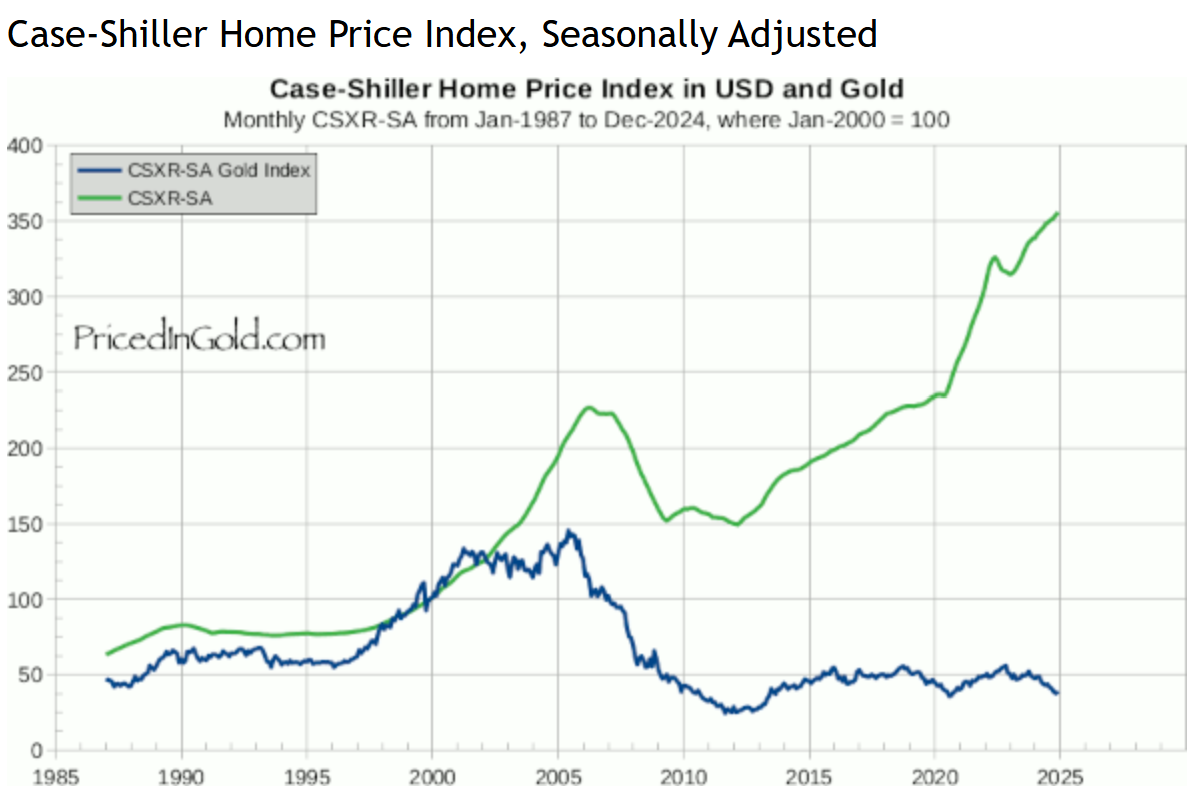
In 2015, you needed about $55K a year to afford a home. Today? $112K. That’s double in less than a decade while median incomes barely moved.
This isn’t a “high mortgage rate” problem. According to recent Fannie Mae calculations, it will take one of three things, or a combination of them to get back to affordable housing in America: Housing prices would need to drop 38% Median household income would need to rise 60% Mortgage rates would need to fall to 2.35%
This widening gap is why creative investing strategies are becoming more important than ever. They allow everyday people to participate in real estate without needing six-figure incomes or perfect timing.
The data tells the story. The opportunity lies in how we respond to it.
OP the answer is in your chart. The spike occurred in 2020 to 2021. Same period as Covid impacting the economy. Affordability will naturally go back down.
1. Lumber tripled in price. Covid shutdown mills especially in Canada. Also large forest fires slowed or shutdown Canadian logging in areas. 2. Hardware used in housing was restricted with made in China. Stopped at the ports since ports were shut down due to Covid and strikes. 3. Cement costs have significantly increased due to Covid. Plants shutdown. 4. Labor shortage due to COVID government payments. 5. Businesses received COVID payments injecting financing into new projects. 6. People received COVID payments and purchased goods causing inflation.
7. Contractors lost money on fixed price build contracts. They had to recoup with higher pricing.
Believe the government injected over a years worth of GDP into the economy.
Think of a Bull Whip. Long wind up, then a pop at the speed of sound. We are in the Pop section. It will take a couple years for the above to unwind.
Covid had more dollars chasing limited resources. During this time we were building a new Storage location. We needed 20 truckloads of cement to pour. Pretty big right? We were small potatoes. Only got 5 loads per day, plus late in the day. Always want to pour early.
Prices will go down. Say 2 years starting now.
But we have a new issue on the horizon. China is economically imploding and they also have become to expensive. They are no longer a low cost producer. The supply chain will need a decade to find new sourcing. Or lower cost.
Answer to affordability is to have more people live in the unit, step down in type of housing, or move to affordable housing. My neighbors son is 2 years out of high school and just bought a house using his money. Combination of right professional choice (hvac) and buying in a lower cost market (small town).
One can go to many nice cities in Iowa and buy a perfectly livable house ( newly renovated even) for under 200k.. I know I fund them for flippers.. its an issue of where folks want to live.
In 2015, you needed about $55K a year to afford a home. Today? $112K. That’s double in less than a decade while median incomes barely moved.
This isn’t a “high mortgage rate” problem. According to recent Fannie Mae calculations, it will take one of three things, or a combination of them to get back to affordable housing in America: Housing prices would need to drop 38% Median household income would need to rise 60% Mortgage rates would need to fall to 2.35%
This widening gap is why creative investing strategies are becoming more important than ever. They allow everyday people to participate in real estate without needing six-figure incomes or perfect timing.
The data tells the story. The opportunity lies in how we respond to it.
Your Question "Is There A Solution To Housing Unaffordability?"
No, actually, it's a spiritual problem and can't be solved with natural means. I spent 5 years tutoring in a poor black government housing project. As you can see, the closest I am to being black is several generations ago, if at all. Now, mind you, there are more poor whites than poor blacks. My native Irish come to mind. But, this poor neighborhood happened to be black.
Some people have chosen to follow bad advice and bad attitudes and bad habits. I was there in the community to help, elementary kids in this case, who always seemed to love me, but I was not welcome by a lot of adults, because I'm "white", actually I'm flesh, but that's a different story. . Poverty is taught, and poor adults know very well how to teach living off of the system.
As an example, I know someone who was often in trouble with the law. He was young, in good health and for years he lived off of social security services "disability" payments. When Reagan cut the program for some people, he was kicked off the "system", got a job and has worked ever since, gainfully employed, paying taxes, now in retirement collecting Social Security from a system he actually paid in to.
There was no physical reason he was collecting social security services "disability" payments, it was a spiritual problem. But it had to be treated with a physical solution, being forced to work or starve. Being hungry focuses the mind.
When people are raised with a poverty mindset, giving them things and coddling them makes it worse, not better. For most people (not all) but for most, subsidized housing is a big mistake.
@Ken M. 100% truth! I'm a former cop that used to police in a mostly black city. And not just a mostly black city but I policed in the black side of town. It was poverty stricken. Here's what I learned. They weren't poor because they were black. They were poor because they were taught to be poor. Poverty is viscious cycle. Poverty also breeds crimes.
But it's more than spiritual. It's political as well. People who give you free money own you. The government (very long story short) forced both mom and dad into 40 hour work weeks. Then they took over your child's education with public schools. Then they made it illegal to not send your kid to school. From 5 years old kids are in a build 40 hours a week being taught how to be another brick in the wall. They're taught how to think. They are taught useless crap. They are never taught about things that matter like budgeting, taxes, retirement, investments, business etc.
Then the government fattens our kids up with junk food, corrupts their minds with junk TV. Next thing you know you're an adult who is conditioned to the 40 hour work week. You don't know or care about retirement because the government gives you handouts. You vote for the politicians offering your benefits. In the end, you're a controlled asset. Politicians continue to make policies that inflate your dollar and decrease your effort, but they make money
The best way to break free of the cycle is to remove your kids from the government sanctioned brainwash known as public schools. Home school your kids and teach them how to think
@Ken M. 100% truth! I'm a former cop that used to police in a mostly black city. And not just a mostly black city but I policed in the black side of town. It was poverty stricken. Here's what I learned. They weren't poor because they were black. They were poor because they were taught to be poor. Poverty is viscious cycle. Poverty also breeds crimes.
But it's more than spiritual. It's political as well. People who give you free money own you. The government (very long story short) forced both mom and dad into 40 hour work weeks. Then they took over your child's education with public schools. Then they made it illegal to not send your kid to school. From 5 years old kids are in a build 40 hours a week being taught how to be another brick in the wall. They're taught how to think. They are taught useless crap. They are never taught about things that matter like budgeting, taxes, retirement, investments, business etc.
Then the government fattens our kids up with junk food, corrupts their minds with junk TV. Next thing you know you're an adult who is conditioned to the 40 hour work week. You don't know or care about retirement because the government gives you handouts. You vote for the politicians offering your benefits. In the end, you're a controlled asset. Politicians continue to make policies that inflate your dollar and decrease your effort, but they make money
The best way to break free of the cycle is to remove your kids from the government sanctioned brainwash known as public schools. Home school your kids and teach them how to think
You lost me at "Then the government fattens our kids up with junk food, corrupts their minds with junk TV."
@Ken M. 100% truth! I'm a former cop that used to police in a mostly black city. And not just a mostly black city but I policed in the black side of town. It was poverty stricken. Here's what I learned. They weren't poor because they were black. They were poor because they were taught to be poor. Poverty is viscious cycle. Poverty also breeds crimes.
But it's more than spiritual. It's political as well. People who give you free money own you. The government (very long story short) forced both mom and dad into 40 hour work weeks. Then they took over your child's education with public schools. Then they made it illegal to not send your kid to school. From 5 years old kids are in a build 40 hours a week being taught how to be another brick in the wall. They're taught how to think. They are taught useless crap. They are never taught about things that matter like budgeting, taxes, retirement, investments, business etc.
Then the government fattens our kids up with junk food, corrupts their minds with junk TV. Next thing you know you're an adult who is conditioned to the 40 hour work week. You don't know or care about retirement because the government gives you handouts. You vote for the politicians offering your benefits. In the end, you're a controlled asset. Politicians continue to make policies that inflate your dollar and decrease your effort, but they make money
The best way to break free of the cycle is to remove your kids from the government sanctioned brainwash known as public schools. Home school your kids and teach them how to think
You lost me at "Then the government fattens our kids up with junk food, corrupts their minds with junk TV."
He's talking about EBT (free food for poor people. With EBT they can buy pop, skittles, beer, whatever, with their EBT card - it once was called Food Stamps). With Food Stamps you could not buy junk food and beer.
Before that, poor people could visit a state run facility where they could pick up cheese, milk, eggs, flour, bread, meat, peanut butter, potatoes, fruit,
produce etc that the government bought as excess products. This was done to stabilize prices. To keep food prices high for the producers, so they would be consistent in their production. The government gave that actual food away to poor people.
At the time, if too much meat was on the market, farmers would shoot a portion of their cows and bury them to limit supply to keep prices high. Seemed good at the time to just buy up the excess and give it to poor people.
Now,
I drive by a "drive in" (think "Fast Food") restaurant that has a "Hiring" sign in one window and an "EBT accepted here" next to it.
If you don't get the irony right away, you've been brain washed.
@Ken M. 100% truth! I'm a former cop that used to police in a mostly black city. And not just a mostly black city but I policed in the black side of town. It was poverty stricken. Here's what I learned. They weren't poor because they were black. They were poor because they were taught to be poor. Poverty is viscious cycle. Poverty also breeds crimes.
But it's more than spiritual. It's political as well. People who give you free money own you. The government (very long story short) forced both mom and dad into 40 hour work weeks. Then they took over your child's education with public schools. Then they made it illegal to not send your kid to school. From 5 years old kids are in a build 40 hours a week being taught how to be another brick in the wall. They're taught how to think. They are taught useless crap. They are never taught about things that matter like budgeting, taxes, retirement, investments, business etc.
Then the government fattens our kids up with junk food, corrupts their minds with junk TV. Next thing you know you're an adult who is conditioned to the 40 hour work week. You don't know or care about retirement because the government gives you handouts. You vote for the politicians offering your benefits. In the end, you're a controlled asset. Politicians continue to make policies that inflate your dollar and decrease your effort, but they make money
The best way to break free of the cycle is to remove your kids from the government sanctioned brainwash known as public schools. Home school your kids and teach them how to think
You lost me at "Then the government fattens our kids up with junk food, corrupts their minds with junk TV."
He's talking about EBT (free food for poor people. With EBT they can buy pop, skittles, beer, whatever, with their EBT card - it once was called Food Stamps). With Food Stamps you could not buy junk food and beer.
Before that, poor people could visit a state run facility where they could pick up cheese, milk, eggs, flour, bread, meat, peanut butter, potatoes, fruit, produce etc that the government bought as excess products. This was done to stabilize prices. To keep food prices high for the producers, so they would be consistent in their production. The government gave that actual food away to poor people.
At the time, if too much meat was on the market, farmers would shoot a portion of their cows and bury them to limit supply to keep prices high. Seemed good at the time to just buy up the excess and give it to poor people.
Now,
I drive by a "drive in" (think "Fast Food") restaurant that has a "Hiring" sign in one window and an "EBT accepted here" next to it.
If you don't get the irony right away, you've been brain washed. What it should say:
Man needs to work. It's built into us. And it keeps us out of trouble. (Usually) :-)
I understand the reference and don't believe in free food that is not basic and healthy but I also know my kids didn't eat anything I didn't give them to put in their mouths until they had their own money. Nor did they watch things on TV that I didn't approve of unless they snuck one over on me in rare instances. Attitudes about employment, diet and lifestyle choices are often dependent on cultural norms and there is plenty I'm willing to blame the govt for but what my kids ate or watched aren't two of them.
@Ken M. 100% truth! I'm a former cop that used to police in a mostly black city. And not just a mostly black city but I policed in the black side of town. It was poverty stricken. Here's what I learned. They weren't poor because they were black. They were poor because they were taught to be poor. Poverty is viscious cycle. Poverty also breeds crimes.
But it's more than spiritual. It's political as well. People who give you free money own you. The government (very long story short) forced both mom and dad into 40 hour work weeks. Then they took over your child's education with public schools. Then they made it illegal to not send your kid to school. From 5 years old kids are in a build 40 hours a week being taught how to be another brick in the wall. They're taught how to think. They are taught useless crap. They are never taught about things that matter like budgeting, taxes, retirement, investments, business etc.
Then the government fattens our kids up with junk food, corrupts their minds with junk TV. Next thing you know you're an adult who is conditioned to the 40 hour work week. You don't know or care about retirement because the government gives you handouts. You vote for the politicians offering your benefits. In the end, you're a controlled asset. Politicians continue to make policies that inflate your dollar and decrease your effort, but they make money
The best way to break free of the cycle is to remove your kids from the government sanctioned brainwash known as public schools. Home school your kids and teach them how to think
You lost me at "Then the government fattens our kids up with junk food, corrupts their minds with junk TV."
He's talking about EBT (free food for poor people. With EBT they can buy pop, skittles, beer, whatever, with their EBT card - it once was called Food Stamps). With Food Stamps you could not buy junk food and beer.
Before that, poor people could visit a state run facility where they could pick up cheese, milk, eggs, flour, bread, meat, peanut butter, potatoes, fruit, produce etc that the government bought as excess products. This was done to stabilize prices. To keep food prices high for the producers, so they would be consistent in their production. The government gave that actual food away to poor people.
At the time, if too much meat was on the market, farmers would shoot a portion of their cows and bury them to limit supply to keep prices high. Seemed good at the time to just buy up the excess and give it to poor people.
Now,
I drive by a "drive in" (think "Fast Food") restaurant that has a "Hiring" sign in one window and an "EBT accepted here" next to it.
If you don't get the irony right away, you've been brain washed. What it should say:
Man needs to work. It's built into us. And it keeps us out of trouble. (Usually) :-)
I understand the reference and don't believe in free food that is not basic and healthy but I also know my kids didn't eat anything I didn't give them to put in their mouths until they had their own money. Nor did they watch things on TV that I didn't approve of unless they snuck one over on me in rare instances. Attitudes about employment, diet and lifestyle choices are often dependent on cultural norms and there is plenty I'm willing to blame the govt for but what my kids ate or watched aren't two of them.
Point well taken. A momma in control. Only mommas and bears are worthy of fearing. :-)
However, the rest of society living in government housing, doesn't necessarily practice those standards. I worked in two government projects, one black, the other white across town. There was no difference between them when it came to letting children wander the streets. Guns were used in the black neighborhood, guns were used in the white neighborhood. Drugs and alcohol were readily available in the black neighborhood, Drugs and alcohol were readily available in the white neighborhood.
What was missing in both neighborhoods was fathers who took responsibility.
If you live in a government project, bless you madam, you are doing wonderful work if you are involved in your kid's lives.
If you aren't living in government housing, get a life and perspective. You can't possibly know what goes on and what the attitude is.
@Ken M. 100% truth! I'm a former cop that used to police in a mostly black city. And not just a mostly black city but I policed in the black side of town. It was poverty stricken. Here's what I learned. They weren't poor because they were black. They were poor because they were taught to be poor. Poverty is viscious cycle. Poverty also breeds crimes.
But it's more than spiritual. It's political as well. People who give you free money own you. The government (very long story short) forced both mom and dad into 40 hour work weeks. Then they took over your child's education with public schools. Then they made it illegal to not send your kid to school. From 5 years old kids are in a build 40 hours a week being taught how to be another brick in the wall. They're taught how to think. They are taught useless crap. They are never taught about things that matter like budgeting, taxes, retirement, investments, business etc.
Then the government fattens our kids up with junk food, corrupts their minds with junk TV. Next thing you know you're an adult who is conditioned to the 40 hour work week. You don't know or care about retirement because the government gives you handouts. You vote for the politicians offering your benefits. In the end, you're a controlled asset. Politicians continue to make policies that inflate your dollar and decrease your effort, but they make money
The best way to break free of the cycle is to remove your kids from the government sanctioned brainwash known as public schools. Home school your kids and teach them how to think
You lost me at "Then the government fattens our kids up with junk food, corrupts their minds with junk TV."
He's talking about EBT (free food for poor people. With EBT they can buy pop, skittles, beer, whatever, with their EBT card - it once was called Food Stamps). With Food Stamps you could not buy junk food and beer.
Before that, poor people could visit a state run facility where they could pick up cheese, milk, eggs, flour, bread, meat, peanut butter, potatoes, fruit, produce etc that the government bought as excess products. This was done to stabilize prices. To keep food prices high for the producers, so they would be consistent in their production. The government gave that actual food away to poor people.
At the time, if too much meat was on the market, farmers would shoot a portion of their cows and bury them to limit supply to keep prices high. Seemed good at the time to just buy up the excess and give it to poor people.
Now,
I drive by a "drive in" (think "Fast Food") restaurant that has a "Hiring" sign in one window and an "EBT accepted here" next to it.
If you don't get the irony right away, you've been brain washed. What it should say:
Man needs to work. It's built into us. And it keeps us out of trouble. (Usually) :-)
I understand the reference and don't believe in free food that is not basic and healthy but I also know my kids didn't eat anything I didn't give them to put in their mouths until they had their own money. Nor did they watch things on TV that I didn't approve of unless they snuck one over on me in rare instances. Attitudes about employment, diet and lifestyle choices are often dependent on cultural norms and there is plenty I'm willing to blame the govt for but what my kids ate or watched aren't two of them.
Point well taken. A momma in control. Only mommas and bears are worthy of fearing. :-)
However, the rest of society living in government housing, doesn't necessarily practice those standards. I worked in two government projects, one black, the other white across town. There was no difference between them when it came to letting children wander the streets. Guns were used in the black neighborhood, guns were used in the white neighborhood. Drugs and alcohol were readily available in the black neighborhood, Drugs and alcohol were readily available in the white neighborhood.
What was missing in both neighborhoods was fathers who took responsibility.
If you live in a government project, bless you madam, you are doing wonderful work if you are involved in your kid's lives.
If you aren't living in government housing, get a life and perspective. You can't possibly know what goes on and what the attitude is.
It comes down to changing mindsets and education-and I don't mean going to college or university, but how to handle money, budgeting, etc. People are a product of their environment.
@Jules Aton Disagree all you want but obesity is higher today than ever before. Kids aren't taught proper nutrition in their brainwash centers and parents don't know proper nutrition to teach their kids. Open your eyes and look around. See all the parents at fast food joints stuffing butter and sugar down their kids throats.
and yes, tv is a propaganda tool of the government. Always has been. Look at the trash they put out. A trend that started in the 90s was showing kids disrespecting their parents. The trend today is that dad are always the idiot of the family and never the head of the household. No more shows being produced that shows a child as respectful as Opie.
I'm also going to assume you raised your kids before internet tv. I.E streaming. Back in the day there was a central location to watch tv. Nowadays kids can watch it anywhere. Luckily I'm in tech and understand how to use DNS blockers to block any secret tv. Also no cellphones allowed for my kids. On top of all of this I use a syslog to send me alerts for anything shady on my network. Working from home also helps me keep an eye on what they see. We also have a no YouTube rule in the house. That site is poison. But my point is, how many parents do you think actually enforce rules like these? When I policed the streets, I saw a trend of children being raised without rules and complete unfettered access to the internet. And it's even worse now with social media like tik tok
@Jules Aton Disagree all you want but obesity is higher today than ever before. Kids aren't taught proper nutrition in their brainwash centers and parents don't know proper nutrition to teach their kids. Open your eyes and look around. See all the parents at fast food joints stuffing butter and sugar down their kids throats.
and yes, tv is a propaganda tool of the government. Always has been. Look at the trash they put out. A trend that started in the 90s was showing kids disrespecting their parents. The trend today is that dad are always the idiot of the family and never the head of the household. No more shows being produced that shows a child as respectful as Opie.
I'm also going to assume you raised your kids before internet tv. I.E streaming. Back in the day there was a central location to watch tv. Nowadays kids can watch it anywhere. Luckily I'm in tech and understand how to use DNS blockers to block any secret tv. Also no cellphones allowed for my kids. On top of all of this I use a syslog to send me alerts for anything shady on my network. Working from home also helps me keep an eye on what they see. We also have a no YouTube rule in the house. That site is poison. But my point is, how many parents do you think actually enforce rules like these? When I policed the streets, I saw a trend of children being raised without rules and complete unfettered access to the internet. And it's even worse now with social media like tik tok
I agree, you're right on the money. Every TV we've ever owned had an off button. Our kids don't have TVs for their kids, our grandkids. Use some common sense people. Unplug once in a while.
Developer · Member since 2020 · 4k+ posts · 4k+ votes
11mo
OP the answer is in your chart. The spike occurred in 2020 to 2021. Same period as Covid impacting the economy. Affordability will naturally go back down.
1. Lumber tripled in price. Covid shutdown mills especially in Canada. Also large forest fires slowed or shutdown Canadian logging in areas. 2. Hardware used in housing was restricted with made in China. Stopped at the ports since ports were shut down due to Covid and strikes. 3. Cement costs have significantly increased due to Covid. Plants shutdown. 4. Labor shortage due to COVID government payments. 5. Businesses received COVID payments injecting financing into new projects. 6. People received COVID payments and purchased goods causing inflation.
7. Contractors lost money on fixed price build contracts. They had to recoup with higher pricing.
Believe the government injected over a years worth of GDP into the economy.
Think of a Bull Whip. Long wind up, then a pop at the speed of sound. We are in the Pop section. It will take a couple years for the above to unwind.
Covid had more dollars chasing limited resources. During this time we were building a new Storage location. We needed 20 truckloads of cement to pour. Pretty big right? We were small potatoes. Only got 5 loads per day, plus late in the day. Always want to pour early.
Prices will go down. Say 2 years starting now.
But we have a new issue on the horizon. China is economically imploding and they also have become to expensive. They are no longer a low cost producer. The supply chain will need a decade to find new sourcing. Or lower cost.
Answer to affordability is to have more people live in the unit, step down in type of housing, or move to affordable housing. My neighbors son is 2 years out of high school and just bought a house using his money. Combination of right professional choice (hvac) and buying in a lower cost market (small town).
OP the answer is in your chart. The spike occurred in 2020 to 2021. Same period as Covid impacting the economy. Affordability will naturally go back down.
1. Lumber tripled in price. Covid shutdown mills especially in Canada. Also large forest fires slowed or shutdown Canadian logging in areas. 2. Hardware used in housing was restricted with made in China. Stopped at the ports since ports were shut down due to Covid and strikes. 3. Cement costs have significantly increased due to Covid. Plants shutdown. 4. Labor shortage due to COVID government payments. 5. Businesses received COVID payments injecting financing into new projects. 6. People received COVID payments and purchased goods causing inflation.
7. Contractors lost money on fixed price build contracts. They had to recoup with higher pricing.
Believe the government injected over a years worth of GDP into the economy.
Think of a Bull Whip. Long wind up, then a pop at the speed of sound. We are in the Pop section. It will take a couple years for the above to unwind.
Covid had more dollars chasing limited resources. During this time we were building a new Storage location. We needed 20 truckloads of cement to pour. Pretty big right? We were small potatoes. Only got 5 loads per day, plus late in the day. Always want to pour early.
Prices will go down. Say 2 years starting now.
But we have a new issue on the horizon. China is economically imploding and they also have become to expensive. They are no longer a low cost producer. The supply chain will need a decade to find new sourcing. Or lower cost.
Answer to affordability is to have more people live in the unit, step down in type of housing, or move to affordable housing. My neighbors son is 2 years out of high school and just bought a house using his money. Combination of right professional choice (hvac) and buying in a lower cost market (small town).
One can go to many nice cities in Iowa and buy a perfectly livable house ( newly renovated even) for under 200k.. I know I fund them for flippers.. its an issue of where folks want to live.
@Jay Hinrichs the issue is with employer's telling people where they need to live
Doesn't an employer have a reasonable expectation that an employee is actually working. Studies show that productivity improves when employees are closely monitored.
The Constitution says I can build my empire anywhere I want, as long as I work for myself :-)
Developer · Member since 2020 · 4k+ posts · 4k+ votes
11mo
OP if you’re approaching this from an investors standpoint. I would play the dips. Buildup cash now.
A. Your chart shows the next dip. What goes up will come down. Wait for the builder specials. Once the downturn starts. Find a development that just started, they will be hurting.
B. Stock market will crash. First thing sold will be luxury items like BNBs. Find your market now. Get to know it. Get to know realtors and lenders there. Make the plunge. Just recognize you will need to carry for a year.
C. Covid type event. Same as B above. Especially for tourist areas.
Every thing is really expensive now for sure but when speaking about the working class who are probably feeling it the most when it comes to housing I believe a re-set in expectations would be helpful. There are modest houses especially in fringe areas that are ugly but affordable. I’m not sure when Americans decided an upscale lifestyle was a right and not a privilege. Quartz counter tops, dishwashers and central air aren’t actually necessities. Although I am blessed to have all the bells and whistles now I lived in dumps for decades to get to the point where I could afford a nice home. There is value in living within your means.
I believe a re-set in expectations would be helpful. There are modest houses especially in fringe areas that are ugly but affordable. I’m not sure when Americans decided an upscale lifestyle was a right and not a privilege. Quartz counter tops, dishwashers and central air aren’t actually necessities. ... There is value in living within your means.
This sums it up nicely. Expectations are not realistic. You have to make 'sacrifices', maybe don't buy a $50K vehicle every 4 years, cook at home more often instead of eating out/ordering in, etc.
In 2015, you needed about $55K a year to afford a home. Today? $112K. That’s double in less than a decade while median incomes barely moved.
This isn’t a “high mortgage rate” problem. According to recent Fannie Mae calculations, it will take one of three things, or a combination of them to get back to affordable housing in America: Housing prices would need to drop 38% Median household income would need to rise 60% Mortgage rates would need to fall to 2.35%
This widening gap is why creative investing strategies are becoming more important than ever. They allow everyday people to participate in real estate without needing six-figure incomes or perfect timing.
The data tells the story. The opportunity lies in how we respond to it.
It is not going to be solved because local government and property owners do not want to solve it. Everyone says they want to solve it, but they do not. Perfect example, ask every homeowner if they would allow for 100 homes to be built in their neighborhood at affordable prices that are 50% of their value? How many are gonna sign up for that? If it was someone elses neighborhood of course they would, and the only neighborhoods this gets built is in the povery stricken areas only.
In 2015, you needed about $55K a year to afford a home. Today? $112K. That’s double in less than a decade while median incomes barely moved.
This isn’t a “high mortgage rate” problem. According to recent Fannie Mae calculations, it will take one of three things, or a combination of them to get back to affordable housing in America: Housing prices would need to drop 38% Median household income would need to rise 60% Mortgage rates would need to fall to 2.35%
This widening gap is why creative investing strategies are becoming more important than ever. They allow everyday people to participate in real estate without needing six-figure incomes or perfect timing.
The data tells the story. The opportunity lies in how we respond to it.
It is not going to be solved because local government and property owners do not want to solve it. Everyone says they want to solve it, but they do not. Perfect example, ask every homeowner if they would allow for 100 homes to be built in their neighborhood at affordable prices that are 50% of their value? How many are gonna sign up for that? If it was someone elses neighborhood of course they would, and the only neighborhoods this gets built is in the povery stricken areas only.
In 2015, you needed about $55K a year to afford a home. Today? $112K. That’s double in less than a decade while median incomes barely moved.
This isn’t a “high mortgage rate” problem. According to recent Fannie Mae calculations, it will take one of three things, or a combination of them to get back to affordable housing in America: Housing prices would need to drop 38% Median household income would need to rise 60% Mortgage rates would need to fall to 2.35%
This widening gap is why creative investing strategies are becoming more important than ever. They allow everyday people to participate in real estate without needing six-figure incomes or perfect timing.
The data tells the story. The opportunity lies in how we respond to it.
It is not going to be solved because local government and property owners do not want to solve it. Everyone says they want to solve it, but they do not. Perfect example, ask every homeowner if they would allow for 100 homes to be built in their neighborhood at affordable prices that are 50% of their value? How many are gonna sign up for that? If it was someone elses neighborhood of course they would, and the only neighborhoods this gets built is in the povery stricken areas only.
it all starts with the price of the land.. if some land owner in higher priced markets get 200k an acre for development ground.. are they going to sell for 100k an acre.. NOPE they just sit on it. Also the price to develop of lot has gone up substantially price of pipe engineering fees hook up fees building permit fees.. then you add in price of materials :)
The issue we have is there is PLENTY of low cost housing all throughout the US just not in high priced markets.. Its an issue of where people want to live.. And or where the jobs are.
I was talking to a builder from Texas at BPcon last week and he builds for 80 a foot.. my cost to build is 180 a foot on the west coast and that is cheap.. lumber is lumber .. its labor costs and building permits etc etc. Plus to be fair he is building rental grade and we build retail grade huge difference there. But west coast land is simply too expensive to buy entitle and develop to then throw up rental grade housing.
Investor · Milwaukee - Mequon, WI · Member since 2010 · 5k+ posts · 7k+ votes
11mo
There is no obvious solution; existing home prices are anchored by new construction cost and the cost of labor and materials have gone up dramatically and will continue to do so. We are short 4-5 million homes and it took 15 years to create that deficit; you can't fix it much faster.
Tariffs and the deportation of cheap labor are not helping. Or the increasingly fast devaluation of the USD (aka inflation). Consumers are just losing purchasing power, especially the middle class.
Fun fact, when you buy a home with gold, it's now cheaper than ever.
Some markets in the South (TX, FL, AL, AZ...) are currently going down a little, but a 2% or 3% reduction does not fix affordability. My market (Milwaukee), is on track to appreciate 7.3% this year, pretty much the same as we have seen the last 10 years, between 5% and 8%. More people move here, it's not as hot and we don't have storms or fires that drive up insurance cost. I operate on the assumption is that home prices will double (again) here in the next 10 years, just as they did 2015-2025, which is a little faster than the historic US average (15y).
Mortgage rates have by far the biggest impact on affordability, but it's obvious that home prices will accelerate up if and when rates come down - even to 5%.
Prices continue to go up, stock market, housing and goods. It is the way it is. I wonder the impact the dying off of boomers may have. Will there be a glut of available housing at that point therefore driving prices down?
Absolutely, affordability may be shrinking, but opportunity isn’t. 💡 Smart investors are adapting with creative financing, partnerships, and out-of-state plays to stay ahead of the curve.
In 2015, you needed about $55K a year to afford a home. Today? $112K. That’s double in less than a decade while median incomes barely moved.
This isn’t a “high mortgage rate” problem. According to recent Fannie Mae calculations, it will take one of three things, or a combination of them to get back to affordable housing in America: Housing prices would need to drop 38% Median household income would need to rise 60% Mortgage rates would need to fall to 2.35%
This widening gap is why creative investing strategies are becoming more important than ever. They allow everyday people to participate in real estate without needing six-figure incomes or perfect timing.
The data tells the story. The opportunity lies in how we respond to it.
Housing prices would need to drop 38%
Median household income would need to rise 60%
Mortgage rates would need to fall to 2.35%
The only one of these likely to happen is the third one. IMHO.....
Investor · Fort Lauderdale, FL · Member since 2013 · 917 posts · 607 votes
11mo
I fear rates dropping to the 3% level. I can't imagine the price spike we'll see as another buying frenzy takes hold. Any savings a 3% mortgage offers will be more than offset by the price surge.
I fear rates dropping to the 3% level. I can't imagine the price spike we'll see as another buying frenzy takes hold. Any savings a 3% mortgage offers will be more than offset by the price surge.
I wouldn't worry about it actually. FHA, Fannie Mae and Freddie Mac all use underwriting that prevents prices from going past a certain percentage of income for a borrower.
They can tighten those requirements to change the market.
I think the target is usually around 66% to 67% national home ownership. That's just a guess but gov'ment panics when it deviates. If the gov'ment dumps their circa 1970's IBM 360 computers, rewrites the software and takes today's realities into consideration, it will require a new analysis. But, for the time being, we are stuck in a time warp.
Few banks keep the loans they write. Most underwrite & sell to the secondary market where things are regulated. I am not saying that the regulators "get it right" or that politics aren't involved, they are.
But what I'm saying is that since we are Not in a truly free market, where banks can lose a LOT of money by lending on houses (currently they can't lose, as along as they "play along"). The regulators, whose bosses (house, senate, pres) want to get re-elected, will interfere, yet again, and everyone will act accordingly.
I once worked for a very large computer company, a new guy came in and said there are now changes and we will take the next couple of years to implement them. It was years, not days. :-)
Investor · MS AL TN, GA · Member since 2019 · 70 posts · 45 votes
11mo
@Michaelcar. I’m glad to see others bringing this to light because it’s real.
When Americans wait longer and longer to buy their first home, the amount of equity — and therefore wealth — that slips away is enormous. (The cultural side can’t be measured in spreadsheets.)
Robert Kiyosaki’s warning about the disappearance of the middle class is starting to feel real. If a middle-class working family can’t afford a single-family home, we’re in trouble. Maybe not in the short term, but definitely over time.
I think part of the answer is to stop thinking “stick built only” and embrace what I’ll call "Precision-Built Housing" (simply because of the stigma "manufactured" has). Homes built in more controlled environments where costs are lower, waste is less, and processes are more efficient. When you remove the unpredictability of weather, labor shortages, 18 subs, and material delays you get consistency — not just in pricing but in quality. Every component is measured, assembled, and inspected before it ever reaches the job site. That’s how cars are built, planes are built, and almost everything else in our modern world is built — yet we’re still framing houses outside in the rain like it’s 1950.
It’s time we get comfortable with how far Precision-Built Housing has come. Sure, It won’t appreciate like a conventional home, but it can still build equity over time.
If we don’t adapt, we risk becoming a country none of us in today’s workforce have ever known. We’ve always been the biggest, strongest, and wealthiest. But if we can’t provide attainable homeownership for working families, that won’t last.
Real Estate Agent · Chicago, IL · Member since 2017 · 2k+ posts · 2k+ votes
11mo
It cost a lot to build in USA. I do not see that changing. Even if rates fall, it will still be very hard for many working class Americans to afford homes. 70 years ago there was less permitting required, less litigation risk/builder insurance required and way less labor regulations resulting in cheaper builds.
It cost a lot to build in USA. I do not see that changing. Even if rates fall, it will still be very hard for many working class Americans to afford homes. 70 years ago there was less permitting required, less litigation risk/builder insurance required and way less labor regulations resulting in cheaper builds.
and 70 years ago houses were 1200 sq ft with no granite, stainless steel, or nice tile. Things have changed. Expectations have changed. Not always for the better. :-)
Investor · Milwaukee - Mequon, WI · Member since 2010 · 5k+ posts · 7k+ votes
11mo
In May of 1960 you could have bought a new construction home in Milwaukee for $13,999! That even included AIR CONDITIONING - modern technology!
It took the buyer 30 years to pay off that mortgage. I have the original newspaper ad and found the address; it's worth about $360k today. Let that sink in.
In May of 1960 you could have bought a new construction home in Milwaukee for $13,999! That even included AIR CONDITIONING - modern technology!
It took the buyer 30 years to pay off that mortgage. I have the original newspaper ad and found the address; it's worth about $360k today. Let that sink in.
In May of 1960 you could have bought a new construction home in Milwaukee for $13,999! That even included AIR CONDITIONING - modern technology!
It took the buyer 30 years to pay off that mortgage. I have the original newspaper ad and found the address; it's worth about $360k today. Let that sink in.
How many sq ft and what were the finishes?
Typical Midwest ranch home: about 1,400 sqft. I am sure the finishes were top of the line, probably avocado green bathroom and orange carpet lol
From AI and for context: The median home price in America in 1960 was$11,900. When adjusted for inflation to 2020 dollars, this price is roughly $104,619.
In May of 1960 you could have bought a new construction home in Milwaukee for $13,999! That even included AIR CONDITIONING - modern technology!
It took the buyer 30 years to pay off that mortgage. I have the original newspaper ad and found the address; it's worth about $360k today. Let that sink in.
ratios for income to mortgage were basically the same though. when I got my first job that paid by the hour in 1970 ish I was making 1.83 and hour as a bagger and checkers were making 8 or so. when i got my RE license and cashed my first commish 900.00 in 75 for about 4 hours of actual work thats when it dawned on me Commission baby. For good or bad. my first house in Milptitas i bought in 76 for 79k and was new built today probably 1 mil.. my parents house in Cupertino they paid 22k for in the mid 60s today is over 3 mil. location dictates a lot of RE wealth
In May of 1960 you could have bought a new construction home in Milwaukee for $13,999! That even included AIR CONDITIONING - modern technology!
It took the buyer 30 years to pay off that mortgage. I have the original newspaper ad and found the address; it's worth about $360k today. Let that sink in.
How many sq ft and what were the finishes?
Typical Midwest ranch home: about 1,400 sqft. I am sure the finishes were top of the line, probably avocado green bathroom and orange carpet lol
From AI and for context: The median home price in America in 1960 was$11,900. When adjusted for inflation to 2020 dollars, this price is roughly $104,619.
Prices have gone up so much, and since lending (mortgage repayment) is computed as a percent of monthly earnings, and lenders typically lend 33% to 35% on the "front end" to cover the mortgage payment and taxes, and then maybe 50% to 55% on on the back end to cover all long term debt, thein is the problem.
Either lenders need to increase what they will lend ala 2008, at a much, much lower interest rate, (which long term doesn't work, because borrowers typically carry too much debt anyway)
or house prices have to come down.
People spend what they have. If it isn't house payments, it's toys like boats, bikes and beaches.
It's just a matter of time before it all "corrects" again. You can push a boulder uphill only so far, before you get tired and walkway from the burden (2008) as a culture. All things old become new again.
In May of 1960 you could have bought a new construction home in Milwaukee for $13,999! That even included AIR CONDITIONING - modern technology!
It took the buyer 30 years to pay off that mortgage. I have the original newspaper ad and found the address; it's worth about $360k today. Let that sink in.
ratios for income to mortgage were basically the same though. when I got my first job that paid by the hour in 1970 ish I was making 1.83 and hour as a bagger and checkers were making 8 or so. when i got my RE license and cashed my first commish 900.00 in 75 for about 4 hours of actual work thats when it dawned on me Commission baby. For good or bad. my first house in Milptitas i bought in 76 for 79k and was new built today probably 1 mil.. my parents house in Cupertino they paid 22k for in the mid 60s today is over 3 mil. location dictates a lot of RE wealth
Yup, that's right ;-)
But about housing affordability, we are barking up the wrong tree. You see the same thing with the affordability of cars, or groceries (especially real food, not the processed food-like stuff): people have to spend more of their income.
What the OP highlights is median income and median home price. Median is the middle class and the middle class is shrinking fast - they go either up or down. I am lucky in that regard. But I think thius is the context when you discuss housing affordability, you really have to look at wages and corporate profits:
We are living in times where money is automatically flowing to the upper end. Our whole economic model is designed in a way that once you learn how to make money with your money you are bound to become wealthy. You reach that turning point where you have a couple million invested in a business or the market and you generate 10% compounding returns, it is basically just a matter of how long you will live (see Warren Buffett).
So the 5 richest people in the US have aggregated more USD than the bottom half of the US population. Extrapolate that forward another decade, it's basically like the board game Monopoly: in the end one player owns everything. You win. End of game.
Real Estate Broker · Milwaukee, WI · Member since 2020 · 306 posts · 209 votes
11mo
@Michael Carbonare Great post! It really highlights how challenging the market has become creative investing is definitely the key to staying ahead and building wealth despite these shifts.
Developer · Member since 2020 · 4k+ posts · 4k+ votes
11mo
OP
1. Can a person “Walk and chew bubble gum?”. Have “C” average or better in high school? Then have them call me. Remember the word FREE. I can get them Free housing. Free money along with the Free housing $20,000 and up per year, not taxable. Free college and or trade schooling. Free retirement. Free lifetime healthcare. Drum roll- 0% down on a house. If they follow a plan they will be worth $1.5 to $2mm by their mid 40s. If they keep following the plan then $4mm by their mid 50s.
2. “C” average or above high school student. Good paying job in demand today. No college debt. 2 years after high school buy a house.
3. Lot $30,000. All utilities in place, say hookup $10,000. Build any type of house. Build a basic small stick home for $100,000. 1mm metro area 20 minutes away. 4 lane interstate 2 miles away. Fiber optics in place. No building inspection except electric. 4. $15,000 lot with utilities street side. Buy a trailer new for $120k or buy a used trailer and have set for $60k.
1. Can a person “Walk and chew bubble gum?”. Have “C” average or better in high school? Then have them call me. Remember the word FREE. I can get them Free housing. Free money along with the Free housing $20,000 and up per year, not taxable. Free college and or trade schooling. Free retirement. Free lifetime healthcare. Drum roll- 0% down on a house. If they follow a plan they will be worth $1.5 to $2mm by their mid 40s. If they keep following the plan then $4mm by their mid 50s.
2. “C” average or above high school student. Good paying job in demand today. No college debt. 2 years after high school buy a house.
3. Lot $30,000. All utilities in place, say hookup $10,000. Build any type of house. Build a basic small stick home for $100,000. 1mm metro area 20 minutes away. 4 lane interstate 2 miles away. Fiber optics in place. No building inspection except electric. 4. $15,000 lot with utilities street side. Buy a trailer new for $120k or buy a used trailer and have set for $60k.
Investor · Milwaukee - Mequon, WI · Member since 2010 · 5k+ posts · 7k+ votes
11mo
House prices don't "have to" do anything. People are just not to sell their house, why would they? And certainly not for less! History shows us that it's not a matter of time before it all corrects: US home prices have doubled from 1965 to 1975. And again from 1975 to 1985. And then again and again. And so have prices for food, cars and what you pay for a haircut.
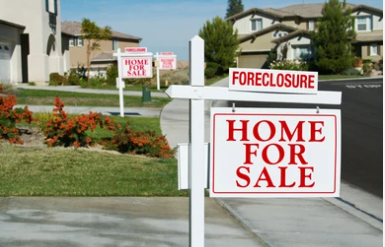
There is a distinct difference between high asset prices driven by supply and demand and a bubble that has been fueled by oversupply, amplified by subprime mortgages and popped when the teaser rates expired. I know that you know that a wave of foreclosures is not a realistic scenario, because it would require negative home equity on a large scale - otherwise, if you can't make the payments anymore it's just a regular sale. (And most people will find a way to make their payments and save their house and 2.75% mortage..)
We have seen prices go down and "correct" in the last 12 months in many of the Sunbelt States after they have been totally overhyped in the Corona unicorn years, but what is a -1% or -3% "correction" really do for affordability?
And it looks like that softening is already coming to an end. Zillow just revised their 12-month outlook from minus 1.4% to plus 1.2% for the US.
The good news is that wages have gone up 4.5% this year. And as long as wages are going up faster than home prices, people regain purchase power little by little every year. I can see a scenario where we slide into an AI-bubble (stock market) triggered recession, see unemployment go up, home prices go sideways for a couple years, mortage rates go down to around 5%, inflation keeps driving wages up and you take it all together - takes the edge off affordability.
Milwaukee is seeing yet another year at a little over 7% appreciation - in a couple years we will have caught up to the national average.
House prices don't "have to" do anything. People are just not to sell their house, why would they? And certainly not for less! History shows us that it's not a matter of time before it all corrects: US home prices have doubled from 1965 to 1975. And again from 1975 to 1985. And then again and again. And so have prices for food, cars and what you pay for a haircut.
There is a distinct difference between high asset prices driven by supply and demand and a bubble that has been fueled by oversupply, amplified by subprime mortgages and popped when the teaser rates expired. I know that you know that a wave of foreclosures is not a realistic scenario, because it would require negative home equity on a large scale - otherwise, if you can't make the payments anymore it's just a regular sale. (And most people will find a way to make their payments and save their house and 2.75% mortage..)
We have seen prices go down and "correct" in the last 12 months in many of the Sunbelt States after they have been totally overhyped in the Corona unicorn years, but what is a -1% or -3% "correction" really do for affordability?
And it looks like that softening is already coming to an end. Zillow just revised their 12-month outlook from minus 1.4% to plus 1.2% for the US.
The good news is that wages have gone up 4.5% this year. And as long as wages are going up faster than home prices, people regain purchase power little by little every year. I can see a scenario where we slide into an AI-bubble (stock market) triggered recession, see unemployment go up, home prices go sideways for a couple years, mortage rates go down to around 5%, inflation keeps driving wages up and you take it all together - takes the edge off affordability.
Milwaukee is seeing yet another year at a little over 7% appreciation - in a couple years we will have caught up to the national average.
Your comment "House prices don't "have to" do anything, People are just not to sell their house, why would they? And certainly not for less!"
That's true actually. The system will do it for them like in 2008. Houses will become affordable again, it just won't be a pleasant process.
House prices don't "have to" do anything. People are just not to sell their house, why would they? And certainly not for less! History shows us that it's not a matter of time before it all corrects: US home prices have doubled from 1965 to 1975. And again from 1975 to 1985. And then again and again. And so have prices for food, cars and what you pay for a haircut.
There is a distinct difference between high asset prices driven by supply and demand and a bubble that has been fueled by oversupply, amplified by subprime mortgages and popped when the teaser rates expired. I know that you know that a wave of foreclosures is not a realistic scenario, because it would require negative home equity on a large scale - otherwise, if you can't make the payments anymore it's just a regular sale. (And most people will find a way to make their payments and save their house and 2.75% mortage..)
We have seen prices go down and "correct" in the last 12 months in many of the Sunbelt States after they have been totally overhyped in the Corona unicorn years, but what is a -1% or -3% "correction" really do for affordability?
And it looks like that softening is already coming to an end. Zillow just revised their 12-month outlook from minus 1.4% to plus 1.2% for the US.
The good news is that wages have gone up 4.5% this year. And as long as wages are going up faster than home prices, people regain purchase power little by little every year. I can see a scenario where we slide into an AI-bubble (stock market) triggered recession, see unemployment go up, home prices go sideways for a couple years, mortage rates go down to around 5%, inflation keeps driving wages up and you take it all together - takes the edge off affordability.
Milwaukee is seeing yet another year at a little over 7% appreciation - in a couple years we will have caught up to the national average.
Your comment "House prices don't "have to" do anything, People are just not to sell their house, why would they? And certainly not for less!"
That's true actually. The system will do it for them like in 2008. Houses will become affordable again, it just won't be a pleasant process.
The system? How would that work? In 2008 we had a vast speculative oversupply of properties that were sitting vacant and on top of that many of them were financed over 100% of what they were worth.
How do you see foreclosures happening based on today's situation, where we are 3-5 million homes short, almost half of the homes owe less than 50% of the home value on their mortgage and 40% have no mortgage at all..
You need negative equity for a foreclosure to happen
House prices don't "have to" do anything. People are just not to sell their house, why would they? And certainly not for less! History shows us that it's not a matter of time before it all corrects: US home prices have doubled from 1965 to 1975. And again from 1975 to 1985. And then again and again. And so have prices for food, cars and what you pay for a haircut.
There is a distinct difference between high asset prices driven by supply and demand and a bubble that has been fueled by oversupply, amplified by subprime mortgages and popped when the teaser rates expired. I know that you know that a wave of foreclosures is not a realistic scenario, because it would require negative home equity on a large scale - otherwise, if you can't make the payments anymore it's just a regular sale. (And most people will find a way to make their payments and save their house and 2.75% mortage..)
We have seen prices go down and "correct" in the last 12 months in many of the Sunbelt States after they have been totally overhyped in the Corona unicorn years, but what is a -1% or -3% "correction" really do for affordability?
And it looks like that softening is already coming to an end. Zillow just revised their 12-month outlook from minus 1.4% to plus 1.2% for the US.
The good news is that wages have gone up 4.5% this year. And as long as wages are going up faster than home prices, people regain purchase power little by little every year. I can see a scenario where we slide into an AI-bubble (stock market) triggered recession, see unemployment go up, home prices go sideways for a couple years, mortage rates go down to around 5%, inflation keeps driving wages up and you take it all together - takes the edge off affordability.
Milwaukee is seeing yet another year at a little over 7% appreciation - in a couple years we will have caught up to the national average.
Your comment "House prices don't "have to" do anything, People are just not to sell their house, why would they? And certainly not for less!"
That's true actually. The system will do it for them like in 2008. Houses will become affordable again, it just won't be a pleasant process.
The system? How would that work? In 2008 we had a vast speculative oversupply of properties that were sitting vacant and on top of that many of them were financed over 100% of what they were worth.
How do you see foreclosures happening based on today's situation, where we are 3-5 million homes short, almost half of the homes owe less than 50% of the home value on their mortgage and 40% have no mortgage at all..
You need negative equity for a foreclosure to happen
Or you need unemployed people. Or you need people who's pay doesn't keep up with the cost of housing.
1. Most loans that banks originate are sold on the secondary market. (they don't hold the loan)
2. The secondary market has requirements decided by the US Government ie: primary requirement is that in order to "conform", the front end of a loan (principle, interest, PMI, taxes, insurance) can't exceed 30% to 35% of a person's income per month, depending on the program
Say, a guy makes $10,000 a month, $120,000 a year. His "front end" for a mortgage can be at max $3,500.
So, if a guy wanted to, he could take a zip code's average income, and the same zip code's average house price and determine the "health " of a zip code, or find buying opportunities. You could get more detailed, but that gets tedious, unless you have a reason.
With a 3.5% down payment (you have to add in the PMI cost since it is less than a 20% down) and with a 6% interest rate, a guy with a $120,000 income can buy about a $500,000 house, If he doesn't have substantial other debt (back end). Most people have too much "other" debt". I believe the average family income is about $70,000. So, therein is the problem. Stress mounts.
3. Property taxes keep going up, insurance keeps going up. People under estimate the cost of maintaining a house. Most people don't think about tomorrow's emergencies and costs. They don't carry reserves (savings). 4. There are always "black swan" events. (Surprises in the economy) "Nobody" saw coming. Well, a few people saw coming. :-)
In 2009-2012 when everything was cheap. You couldn't get a loan to buy a house. Banks were scared where things would end up. They were not lending. If you had cash, you could "cash in". Banks get into trouble when they have too high a percentage of non-performing notes.
5. You don't need negative equity for a foreclosure to happen. You just need missed payments. I got rich buying foreclosures that had equity. You need to have a "non-lending" environment for that to happen, when banks aren't lending. A person with "missed payments" on his credit report can't get a loan to bail out of his situation, and It tanks his FICO.
6. You have people with a great interest rate, thinking they will "somehow" figure out their problem, when there are only a few solutions and of those, they have to have sufficient income and an "acceptable" (either to the bank or to the bankruptcy court) excuse for getting behind. Few make it through the situation.
7. We have a "regulated" foreclosure backup right now. If/When those forced and unnatural "holds" are released, a lot of inventory will hit the market. We are below normal foreclosures and stress is greater than 2008. Eventually, all dams collapse.
8. More than 6.6 million households have fallen behind on their mortgage payments, a study from Deeds.com found. In addition, 9.4 million renters are struggling to make their monthly payments.
9. In some markets, up to a third of houses are being pulled off the MLS because they didn't sell.
Investor · Pittsburgh, PA · Member since 2025 · 20 posts · 9 votes
10mo
We can say it's where people want to live but the reality is it's where the jobs are. There are more jobs, and a wider range of jobs, in coastal metros. Therefore, coastal metros are expensive. Sure Iowa and other flyovers are cheap and even have a higher income to COL ratio, but the job markets are tiny compared to SF, LA, DMV, Miami, Philly, and NYC.
Want people to move to your market? Think they should want to live there? Well give them a reason to want to live there! Create jobs and create them across various white and blue collar fields.