Quote from @Johnathan Trimble:
I have reviewed what is sent to clients on behalf of your company in all three scenarios, they are inflated and exaggerated, mainly the area classifications, all three were in the very worst zip codes in my city, all of them stating B- or better areas, they were D class areas. Expenses that were definitely not factored in or accounted for when it comes to the "suggested return" that the property pricing is based on when it comes to running a property.
I would be lying if I said knew exactly how your company worked start to finish, and am relying on what is being told to me by my clients and the information I have reviewed that was originally sent to them. I have heard of other turnkey providers with similar practices. This post is purely not to bash on "rent to retirement". it is a post for investors bringing awareness to do as much market research as possible and not rely on what is being given to them by a company trying to sell them something. Those investors themselves admitted to not doing their due diligence and trusting all information that was provided to them. I am an investor myself, even owning property in these zip codes. I see the prices that these houses were sold and it is frankly shocking. I hate seeing people lose and even most agents are quick to sell a property and not paint the full picture for a quick commission. I would hope somebody would do their research into me before using me as their agent. How you came to the conclusion that I am making a sales pitch is wild, not once do I mention myself or my services
One of the properties that I actually sold with the property in disrepair specifically told me they wanted to use their own lender but was told they have to choose from your recommended lenders. Perhaps this is something that has changed as the property was purchased years ago. I would also like to add that I have handled 3 of these sales, but came across multiple others in similar situations that quite frankly could not afford to take the loss they were going to by selling at what the property would fetch on market.
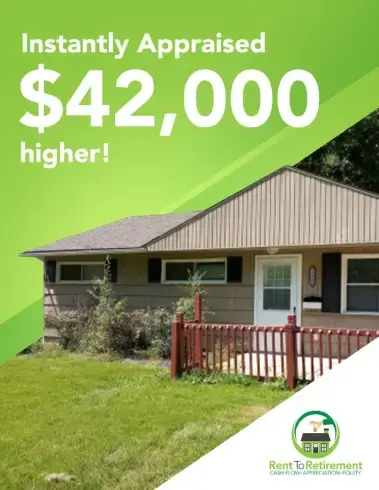
To even suggest a $35k loss (20% drop in price) in an appreciating market has anything to do to with listing strategy, is wild, regardless of any factor, and there is not justification behind it other than it being sold above market value originally. How the appraiser signed off on any of these that I have come across is beyond me. I am purely stating what I have seen multiple times, so that people do their homework. I am sure you have plenty of evidence of people that have had great success with your company, if not there is no way it would still be in business. I market to distressed off market sellers, so yes I come across the negative examples, not the positive ones. Again, no ill intent here, I am stating what I have seen. Also, those clients of mine understand that they should have educated themselves more as well.
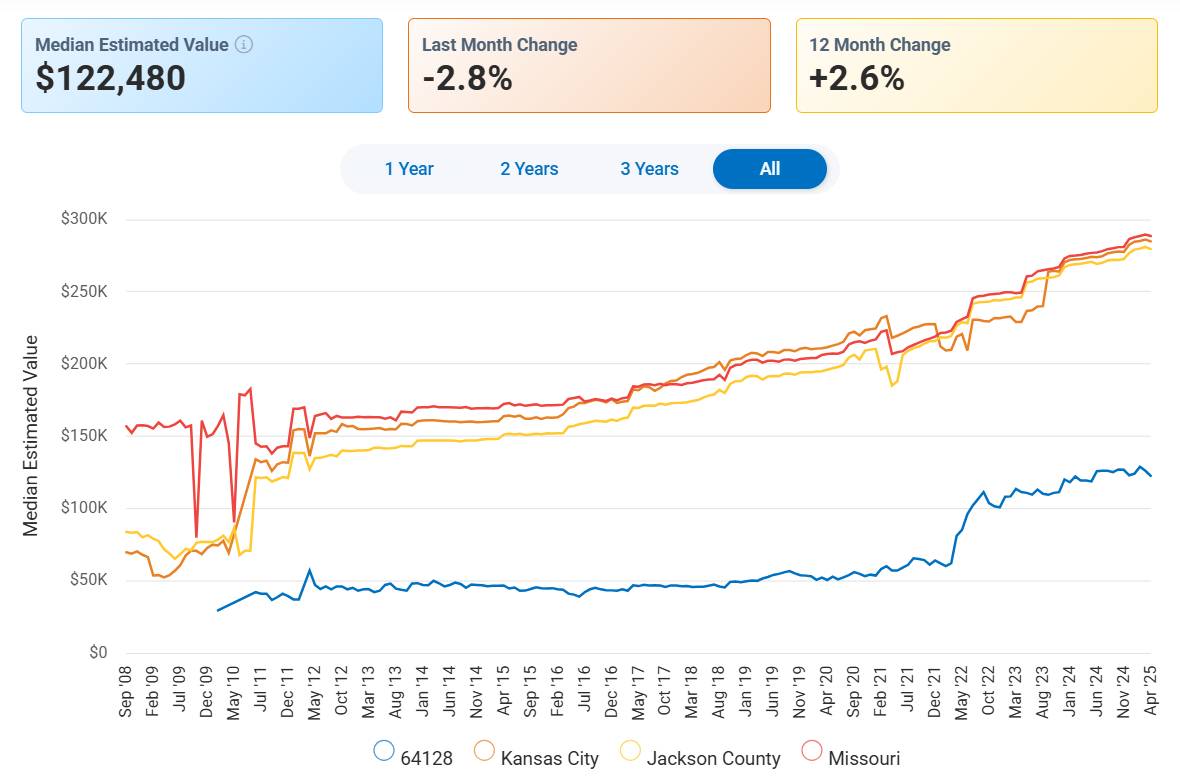
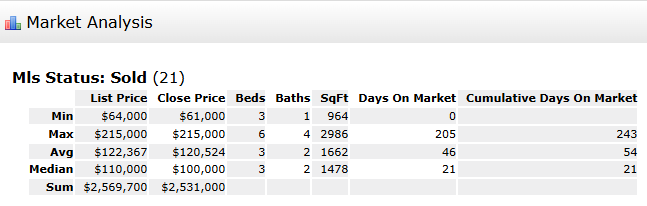
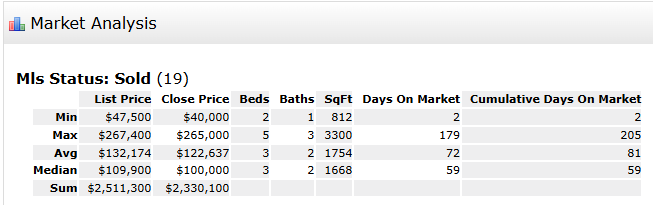
I would be happy to pull the market reports to show that prices have sustained in that area specifically, and have another property that I am selling after the make ready where I am not sure he will be able to get $200k or not when the property was purchased for $210k a few years ago, and would be happy to update how that sale goes. This is not some "anonymous rant" and am happy to back up my claims and even post the original forms from when these properties were sold if I can find them in my email. I debated even mentioning the name of your company, but figured I would as I had been sold a bag of good by a mastermind I joined back in the day, and wish more people had been posting on forums to show the negative experiences as well, and not only the positives when I was doing my research on them.
We appreciate any discussion that promotes investor education, but we need to correct a number of false assumptions and mischaracterizations you've made about our company and the investing process.
1. Area Classifications and Fair Housing
You claim our area classifications were “inflated” and that we labeled D-class areas as B-. Let’s be clear: there is no universal or regulated system for assigning class grades to neighborhoods. These are subjective assessments based on rental demand, surrounding infrastructure, investor activity, and historical performance-not just a zip code.
Further, we do not have an agency relationship with clients. We are not acting as their licensed representative, and as such, we are not responsible for providing fiduciary guidance on neighborhood quality. In fact, as a licensed real estate agent yourself, you should be well aware that under Fair Housing laws and NAR guidelines, it is a direct violation to label neighborhoods in a way that could steer buyers- this includes using language around schools, crime, or area quality.
That is precisely why we always emphasize that ALL buyers-new or seasoned-must perform their own due diligence. That’s not a convenience for us; it’s a legal and ethical necessity in real estate.
2. Pro Formas and Return Estimates
Our pro formas are presented as estimated Year 1 projections, clearly noted as such. These are based on average historical data for rent, property taxes, insurance, management fees, and vacancy-assuming buyers are utilizing any seller incentives or concessions available at the time of purchase.
These are not guarantees. Like any investment, these estimates should be validated and adapted by each buyer based on their strategy, financing, and operating assumptions.
3. Lender Choice and Financing
Let’s address this plainly: we do not require clients to use any particular lender. We recommend investor-friendly lenders we trust based on performance and client feedback, but buyers are always free to use any lender they choose. If someone was misinformed years ago, we invite them to reach out-we’re happy to clarify and help.
4. Appraisal Accuracy
You state that properties appraised “exactly where the company needed them to.” This is not just inaccurate-it’s a serious insinuation.
Appraisers are licensed, third-party professionals who operate independently. Under federal lending laws and post-2008 Dodd-Frank regulations, no party-including us, lenders, or sellers-has the ability to influence their valuations. If you are suggesting manipulation or fraud, you’re implying a federal offense.
5. Property Value Fluctuations and Resale
You mention $30K–$35K losses in an “appreciating market.” That ignores many possible contributing factors: tenant turnover, deferred maintenance, management, rising interest rates, or simply short holding periods.
Real estate investing is not a guaranteed appreciation play, especially for out-of-state investors who resell quickly after encountering tenant issues. We always advise clients that this is a long-term strategy focused on cash flow and equity building over time.
6. Intentions and Conflicts of Interest
You claim you’re not trying to pitch anything, yet you're simultaneously profiting from the resales of distressed homes, some of which your clients never intended to hold long term. While you may not mention your services explicitly, you are clearly involved in monetizing these situations, which introduces a potential conflict when critiquing the process that led them there.
If this post is truly about helping investors, then full transparency goes both ways.
7. Final Thought
We’re not claiming every investment works out perfectly. That’s unrealistic in any asset class. But we work with thousands of buyers every year, and many of them return to work with us again because they understand this is a long-term strategy with inherent risks.
If any client ever has an issue, we encourage them to reach out. We remain committed to investor education, transparency, and helping people build long-term wealth through real estate. That includes owning the hard truths-real estate isn’t easy, and it’s not risk-free. But we’ve helped many people succeed, and we’ll continue to stand behind our process.
Thank you.