Here Is How To Retire In 5 Years Or Less - Start Now

HaveEducationCoaching
Classifieds

Here Is How To Retire In 5 Years Or Less - Start Now

Investor · Get yourself trained before doing something inadvisable. · Member since 2024 · 3k+ posts · 1k+ votes

That’s right, you can buy 3 properties for $50,000. These are decent homes in decent neighborhoods. Email [email protected] to get more information or to set up a call. Or see my posts at https://www.biggerpockets.com/posts/user/kenm286

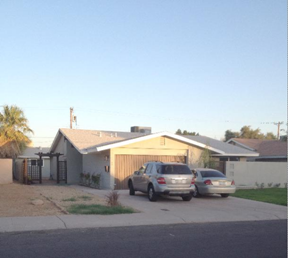
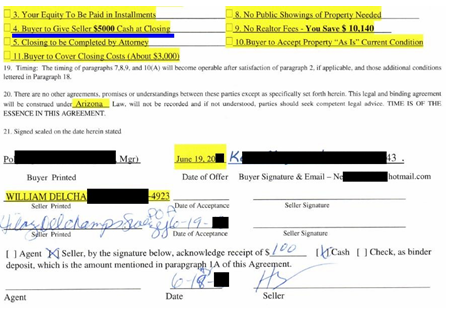
This property was bought for $5000 . Click on images to enlarge Purchase & Sale Agreement
What we are talking about here, is a different process. It starts with buying properties “off market”. That means you don’t find these on the MLS.

Anybody with $80,000 can put down 20% ($80,000 on a $400,000 property) on each property you buy if your income & credit are strong enough. That is what most people do. But what do you do, to buy a second house? You can’t live off of one house as an investor. But, set that thought aside for a moment.

A certain amount of people are willing to sell on Creative Finance, like Subject To, (Subto), Wraps & Seller Finance for various reasons that I explain. Once an agreement has been reached, the purchase & sale go through escrow just like any other transaction.

Don’t let any mentor or coach tell you can do these for zero down. That’s not the reality.

Usually you can find these for $15,000 or so in “up front” money.

The property can be used for a rental, fix & flip, STR or Lease Option, whatever crosses your mind. Yes, you’ll need some training, but being trained properly is a good thing anyway.

Here are the differences and why it can be done.

By buying “off market”, the selling price can be reduced by the amount of the fees the seller would have to pay, if they used a real estate agent. That can be a savings of $25,000 on a $400,000 property. Then, since you are taking over the seller’s loan, you have no loan origination fees and don’t have to use your credit. That saves you thousands of dollars.

And since you are getting their 3% interest rate instead of a 7% from a bank, your payment is $1,602 instead of the bank’s $2,129. A monthly savings of $527 that goes into your pocket.

Plus, since the seller has already been paying for a couple of years, the principal has been paid down $15,000.

So, you are “in” for about $15,000 and have all of these great benefits. 

Do 3 a year and in 5 years you are retired, and having fun.

And of course, You can continue doing these and build generational wealth.

Learn 10 Low Cost Ways To Buy A House.

1. Subject To (Subto) (Take over the mortgage & own the property)

2. Land Contract (deed transfers when last payment is made)

3. Wrap (seller sells with mortgage that mirrors their mortgage

4. Wholesale (buy below market value)

5. Abandoned/Zombie /Neglected (buying properties “off market” that others don’t know about, cheaply

6. Seller Financing (Seller becomes your bank)

7. Lease Option (Test the property before you buy)

8. Foreclosures/Probate /Distressed (Buying properties at a discount below market)

9. Assumption (taking over the loan of a specific property)

10. Joint Venture with seller or investor (buy with a partner to cut costs and risk)

Email [email protected] to get more information or to set up a call.

0Reply
102 views

3 Replies

Jump to latestLatest
  • Investor · Get yourself trained before doing something inadvisable. · Member since 2024 · 3k+ posts · 1k+ votes
    1y
    Quote from @Ken M.:

    That’s right, you can buy 3 properties for $50,000. These are decent homes in decent neighborhoods. Email [email protected] to get more information or to set up a call. Or see my posts at https://www.biggerpockets.com/posts/user/kenm286

    This property was bought for $5000 . Click on images to enlarge Purchase & Sale Agreement
    What we are talking about here, is a different process. It starts with buying properties “off market”. That means you don’t find these on the MLS.

    Anybody with $80,000 can put down 20% ($80,000 on a $400,000 property) on each property you buy if your income & credit are strong enough. That is what most people do. But what do you do, to buy a second house? You can’t live off of one house as an investor. But, set that thought aside for a moment.

    A certain amount of people are willing to sell on Creative Finance, like Subject To, (Subto), Wraps & Seller Finance for various reasons that I explain. Once an agreement has been reached, the purchase & sale go through escrow just like any other transaction.

    Don’t let any mentor or coach tell you can do these for zero down. That’s not the reality.

    Usually you can find these for $15,000 or so in “up front” money.

    The property can be used for a rental, fix & flip, STR or Lease Option, whatever crosses your mind. Yes, you’ll need some training, but being trained properly is a good thing anyway.

    Here are the differences and why it can be done.

    By buying “off market”, the selling price can be reduced by the amount of the fees the seller would have to pay, if they used a real estate agent. That can be a savings of $25,000 on a $400,000 property. Then, since you are taking over the seller’s loan, you have no loan origination fees and don’t have to use your credit. That saves you thousands of dollars.

    And since you are getting their 3% interest rate instead of a 7% from a bank, your payment is $1,602 instead of the bank’s $2,129. A monthly savings of $527 that goes into your pocket.

    Plus, since the seller has already been paying for a couple of years, the principal has been paid down $15,000.

    So, you are “in” for about $15,000 and have all of these great benefits. 

    Do 3 a year and in 5 years you are retired, and having fun.

    And of course, You can continue doing these and build generational wealth.

    Learn 10 Low Cost Ways To Buy A House.

    1. Subject To (Subto) (Take over the mortgage & own the property)

    2. Land Contract (deed transfers when last payment is made)

    3. Wrap (seller sells with mortgage that mirrors their mortgage

    4. Wholesale (buy below market value)

    5. Abandoned/Zombie /Neglected (buying properties “off market” that others don’t know about, cheaply

    6. Seller Financing (Seller becomes your bank)

    7. Lease Option (Test the property before you buy)

    8. Foreclosures/Probate /Distressed (Buying properties at a discount below market)

    9. Assumption (taking over the loan of a specific property)

    10. Joint Venture with seller or investor (buy with a partner to cut costs and risk)

    Email [email protected] to get more information or to set up a call.

    Time's awastin'.
    • Investor · Get yourself trained before doing something inadvisable. · Member since 2024 · 3k+ posts · 1k+ votes
      1y
      Quote from @Ken M.:
      Quote from @Ken M.:

      That’s right, you can buy 3 properties for $50,000. These are decent homes in decent neighborhoods. Email [email protected] to get more information or to set up a call. Or see my posts at https://www.biggerpockets.com/posts/user/kenm286

      This property was bought for $5000 . Click on images to enlarge Purchase & Sale Agreement

      What we are talking about here, is a different process. It starts with buying properties “off market”. That means you don’t find these on the MLS.

      Anybody with $80,000 can put down 20% ($80,000 on a $400,000 property) on each property you buy if your income & credit are strong enough. That is what most people do. But what do you do, to buy a second house? You can’t live off of one house as an investor. But, set that thought aside for a moment.

      A certain amount of people are willing to sell on Creative Finance, like Subject To, (Subto), Wraps & Seller Finance for various reasons that I explain. Once an agreement has been reached, the purchase & sale go through escrow just like any other transaction.

      Don’t let any mentor or coach tell you can do these for zero down. That’s not the reality.

      Usually you can find these for $15,000 or so in “up front” money.

      The property can be used for a rental, fix & flip, STR or Lease Option, whatever crosses your mind. Yes, you’ll need some training, but being trained properly is a good thing anyway.

      Here are the differences and why it can be done.

      By buying “off market”, the selling price can be reduced by the amount of the fees the seller would have to pay, if they used a real estate agent. That can be a savings of $25,000 on a $400,000 property. Then, since you are taking over the seller’s loan, you have no loan origination fees and don’t have to use your credit. That saves you thousands of dollars.

      And since you are getting their 3% interest rate instead of a 7% from a bank, your payment is $1,602 instead of the bank’s $2,129. A monthly savings of $527 that goes into your pocket.

      Plus, since the seller has already been paying for a couple of years, the principal has been paid down $15,000.

      So, you are “in” for about $15,000 and have all of these great benefits. 

      Do 3 a year and in 5 years you are retired, and having fun.

      And of course, You can continue doing these and build generational wealth.

      Learn 10 Low Cost Ways To Buy A House.

      1. Subject To (Subto) (Take over the mortgage & own the property)

      2. Land Contract (deed transfers when last payment is made)

      3. Wrap (seller sells with mortgage that mirrors their mortgage

      4. Wholesale (buy below market value)

      5. Abandoned/Zombie /Neglected (buying properties “off market” that others don’t know about, cheaply

      6. Seller Financing (Seller becomes your bank)

      7. Lease Option (Test the property before you buy)

      8. Foreclosures/Probate /Distressed (Buying properties at a discount below market)

      9. Assumption (taking over the loan of a specific property)

      10. Joint Venture with seller or investor (buy with a partner to cut costs and risk)

      Email [email protected] to get more information or to set up a call.

      Time's awastin'.

      If you are new and looking at buying a property or a house, or other real estate, I’d compare cash to financing, to offering creative financing to the owner. You might be surprised that they are open to creative financing and you will benefit significantly.

      Learn 10 Low Cost Ways To Buy A House.

      • 1. Subject To (Subto) (Take over the mortgage & own the property)
      • 2. Land Contract (deed transfers when last payment is made)
      • 3. Wrap (seller sells with mortgage that mirrors their mortgage
      • 4. Wholesale (buy below market value)
      • 5. Abandoned/Zombie /Neglected (buying properties “off market” that others don’t know about, cheaply
      • 6. Seller Financing (Seller becomes your bank)
      • 7. Lease Option (Test the property before you buy)
      • 8. Foreclosures/Probate /Distressed (Buying properties at a discount below market)
      • 9. Assumption (taking over the loan of a specific property)
      • 10. Joint Venture with seller or investor (buy with a partner to cut costs and risk)


    • Investor · Get yourself trained before doing something inadvisable. · Member since 2024 · 3k+ posts · 1k+ votes
      1y
      Quote from @Ken M.:
      Quote from @Ken M.:
      Quote from @Ken M.:

      That’s right, you can buy 3 properties for $50,000. These are decent homes in decent neighborhoods. Email [email protected] to get more information or to set up a call. Or see my posts at https://www.biggerpockets.com/posts/user/kenm286

      This property was bought for $5000 . Click on images to enlarge Purchase & Sale Agreement

      What we are talking about here, is a different process. It starts with buying properties “off market”. That means you don’t find these on the MLS.

      Anybody with $80,000 can put down 20% ($80,000 on a $400,000 property) on each property you buy if your income & credit are strong enough. That is what most people do. But what do you do, to buy a second house? You can’t live off of one house as an investor. But, set that thought aside for a moment.

      A certain amount of people are willing to sell on Creative Finance, like Subject To, (Subto), Wraps & Seller Finance for various reasons that I explain. Once an agreement has been reached, the purchase & sale go through escrow just like any other transaction.

      Don’t let any mentor or coach tell you can do these for zero down. That’s not the reality.

      Usually you can find these for $15,000 or so in “up front” money.

      The property can be used for a rental, fix & flip, STR or Lease Option, whatever crosses your mind. Yes, you’ll need some training, but being trained properly is a good thing anyway.

      Here are the differences and why it can be done.

      By buying “off market”, the selling price can be reduced by the amount of the fees the seller would have to pay, if they used a real estate agent. That can be a savings of $25,000 on a $400,000 property. Then, since you are taking over the seller’s loan, you have no loan origination fees and don’t have to use your credit. That saves you thousands of dollars.

      And since you are getting their 3% interest rate instead of a 7% from a bank, your payment is $1,602 instead of the bank’s $2,129. A monthly savings of $527 that goes into your pocket.

      Plus, since the seller has already been paying for a couple of years, the principal has been paid down $15,000.

      So, you are “in” for about $15,000 and have all of these great benefits. 

      Do 3 a year and in 5 years you are retired, and having fun.

      And of course, You can continue doing these and build generational wealth.

      Learn 10 Low Cost Ways To Buy A House.

      1. Subject To (Subto) (Take over the mortgage & own the property)

      2. Land Contract (deed transfers when last payment is made)

      3. Wrap (seller sells with mortgage that mirrors their mortgage

      4. Wholesale (buy below market value)

      5. Abandoned/Zombie /Neglected (buying properties “off market” that others don’t know about, cheaply

      6. Seller Financing (Seller becomes your bank)

      7. Lease Option (Test the property before you buy)

      8. Foreclosures/Probate /Distressed (Buying properties at a discount below market)

      9. Assumption (taking over the loan of a specific property)

      10. Joint Venture with seller or investor (buy with a partner to cut costs and risk)

      Email [email protected] to get more information or to set up a call.

      Time's awastin'.

      If you are new and looking at buying a property or a house, or other real estate, I’d compare cash to financing, to offering creative financing to the owner. You might be surprised that they are open to creative financing and you will benefit significantly.

      Learn 10 Low Cost Ways To Buy A House.

      • 1. Subject To (Subto) (Take over the mortgage & own the property)
      • 2. Land Contract (deed transfers when last payment is made)
      • 3. Wrap (seller sells with mortgage that mirrors their mortgage
      • 4. Wholesale (buy below market value)
      • 5. Abandoned/Zombie /Neglected (buying properties “off market” that others don’t know about, cheaply
      • 6. Seller Financing (Seller becomes your bank)
      • 7. Lease Option (Test the property before you buy)
      • 8. Foreclosures/Probate /Distressed (Buying properties at a discount below market)
      • 9. Assumption (taking over the loan of a specific property)
      • 10. Joint Venture with seller or investor (buy with a partner to cut costs and risk)

      Here is what is taught 


      Subject To
      Finding Sellers
      Structuring
      Negotiating
      Contracts
      Processes
      Structure
      Paperwork
      Agreements
      Disclosures
      Pitfalls
      Recording
      Escrow
      Due On Sale Insurance

      .

      Marketing
      Mailers
      KPIs
      Skiptracing
      SMS
      County Records
      Scripts
      Cold Calls
      Meetups
      Charts
      Tracking Leads


      Comps
      ARV

      Redfin
      Zillow
      Realtor
      Propstream
      MLS

      How To Comp

      Wholesaling
      Acquisitions
      Dispositions
      Assignments
      Finding Sellers
      Finding Buyers
      Contracts
      How Transaction Flows
      Problems
      Solutions

      Seller Financing
      Finding Sellers
      Contracts
      Processes
      Structure
      Paperwork
      Agreements
      Disclosures
      Pitfalls

      Financing
      HML
      Private Money
      Gap Funding
      Bridge Loans
      Credit
      Bank Lending
      SDIRA / 401(K)

      Exit Strategies
      Lease Options
      Land Contracts
      Wraps
      STRs
      Rentals
      Residence

      Fix & Flips
      Contractors
      Inspections
      Zoning
      Permits
      Best Use

      Probate
      Paperwork
      Process
      What to expect
      Timeline
      Personal Representative
      Buying Properties
      Marketing

      Lease Options
      Finding Buyers
      Structuring
      Negotiating
      Contracts
      Processes
      Structure
      Paperwork
      Agreements
      Disclosures
      Pitfalls
      Recording
      Escrow
      Insurance
      Setting Prices

      .

      Pre-Foreclosures
      Pre-Foreclosure Websites
      Marketing
      Methods
      Contracts
      Prcesses
      Legal
      Sources
      Problems
      Solutions


      Analysis Paralysis
      Getting Started
      Deciding Direction
      Local Vs Out of State
      Having A Website
      Selecting A Market
      Neighborhoods
      Crime

      Buying a Property
      Location
      Type
      Exit Strategy
      Mortgage
      Maintenance
      Escrow
      Sources
      Good Deal
      Comps
      Contracts
      Negotiating
      Making Offers

      Rentals
      Landlord
      Rent Rates
      Rental Checklist
      Rentometer
      Tenants
      Security
      Cap Ex
      Reserves
      Maintenance
      Taxes

      STRs
      Acquiring
      Location
      Financing
      Numbers
      Furnishing
      Cleaning
      Permits
      AirBNB
      VRBO
      Atmosphere
      Vacation
      Travel
      Biz

      MLS
      Dealing With Agents
      Leads
      What To Look For
      Expireds
      Limitations

      Buying – General
      Negotiations
      Appraisals
      Contracts
      Escrow

      Title
      Escrow
      Insurance
      Closing
      Liens

      Multifamily
      Cap Rates
      Cash Flow
      C On C
      Locating
      Inspections
      Rent Rolls

      Joint Ventures
      Partners
      Partnerships
      Joint LLCs
      What To Know
      What To Avoid
      Set Up
      Goal

      Spreadsheets
      Figuring Deals
      Tracking Leads
      Sorting Data
      Creating Labels

      Systems & Procedures
      Procedures
      Resources
      Hired Help
      Finance
      Team
      Goals

      Taxes
      1031 Exchange
      Depreciation
      Dealer Status
      Investor Status

      Asset Protection
      LLCs
      Operating Agreements
      Insurance

      Deeds
      Contracts
      Ownership Transfer

      Land
      Locating
      Selling
      Acreage
      Tax Deeds

      Legal
      Lawsuits
      Things To Avoid
      Attorneys

      Lending
      Becoming a lender
      Contracts
      Notes
      Deeds
      Assignments
      Performing
      Non-Performing Notes

      Wraps
      Contracts
      Payments
      Payoffs
      Insurance

      REOs (Bank Owned)
      Short Sales
      Auctions

      Videos
      Best
      Basics
      Sources

Join the conversationCreate a free account to reply, vote on answers and follow this thread.